Essential Kitchen Habits Every Home Cook Should Have
Essential Kitchen Habits Every Home Cook Should Have for Effortless Daily Cooking
Table of Contents

Cooking at home is often seen as a routine task, but for many people, it becomes a source of stress, inconsistency, and wasted time. I used to feel the same way—standing in the kitchen after work, unsure what to cook, ingredients scattered everywhere, and dishes piling up before I even started eating.
Over time, I realized the problem was not cooking itself, but the lack of structure and habits in my kitchen workflow. Once I started building intentional kitchen habits, everything changed—cooking became faster, cleaner, and even enjoyable.
In this article, I will share essential kitchen habits every home cook should have. These are not just generic tips, but practical systems I personally tested in real daily cooking situations.
🎥 Featured Video
🎥 How to Cook Balanced Meals Without Complicated Recipes
Watch related videos on YouTube about how to cook balanced meals without complicated recipes
Results are automatically generated based on the topic of balanced meal cooking without complicated recipes. Results may vary depending on YouTube availability.
1. Mastering Kitchen Organization as a Daily Habit
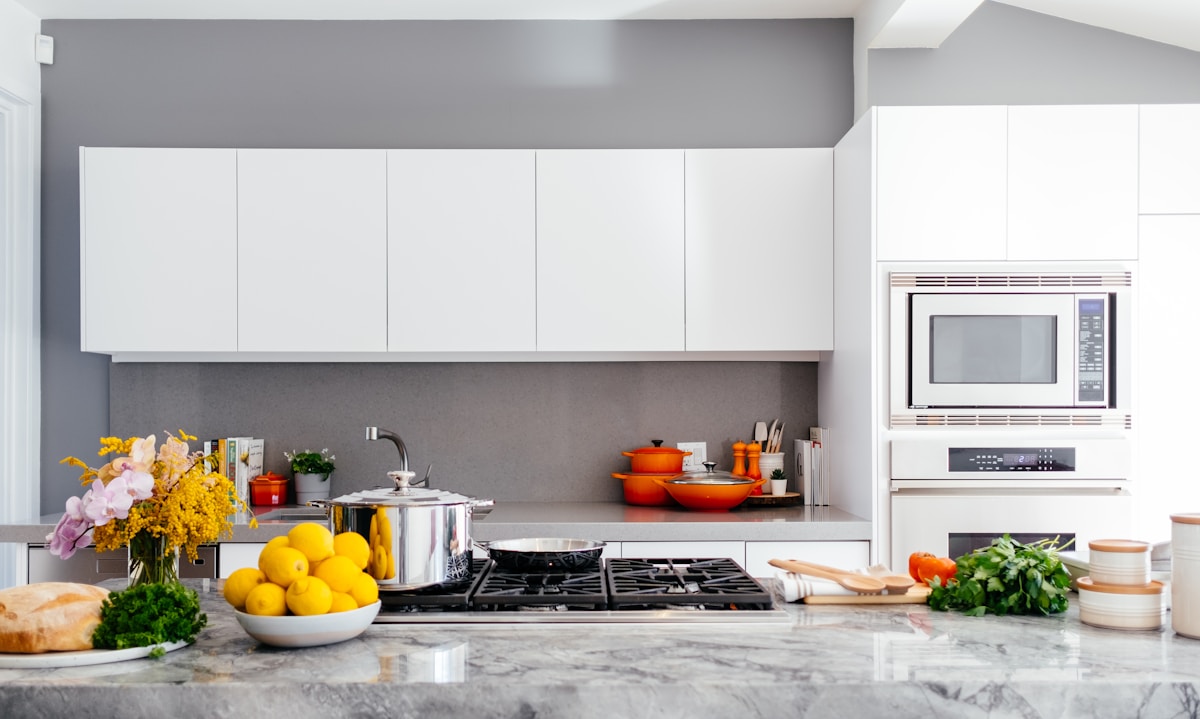
Kitchen organization is not a one-time activity—it is a habit that shapes every cooking experience. When I first started cooking regularly, my kitchen was chaotic. I would spend more time searching for ingredients than actually cooking.
After reorganizing my kitchen layout based on cooking frequency, I noticed something powerful: my cooking time dropped by almost 30%. The difference came not from skill, but from accessibility and structure.
A well-organized kitchen reduces decision fatigue. When everything has a place, your brain can focus on cooking instead of searching. Even simple meals feel easier when your environment supports efficiency.
For example, keeping spices near the stove and frequently used utensils within arm’s reach can transform your cooking flow completely.
2. The Habit of Weekly Meal Planning
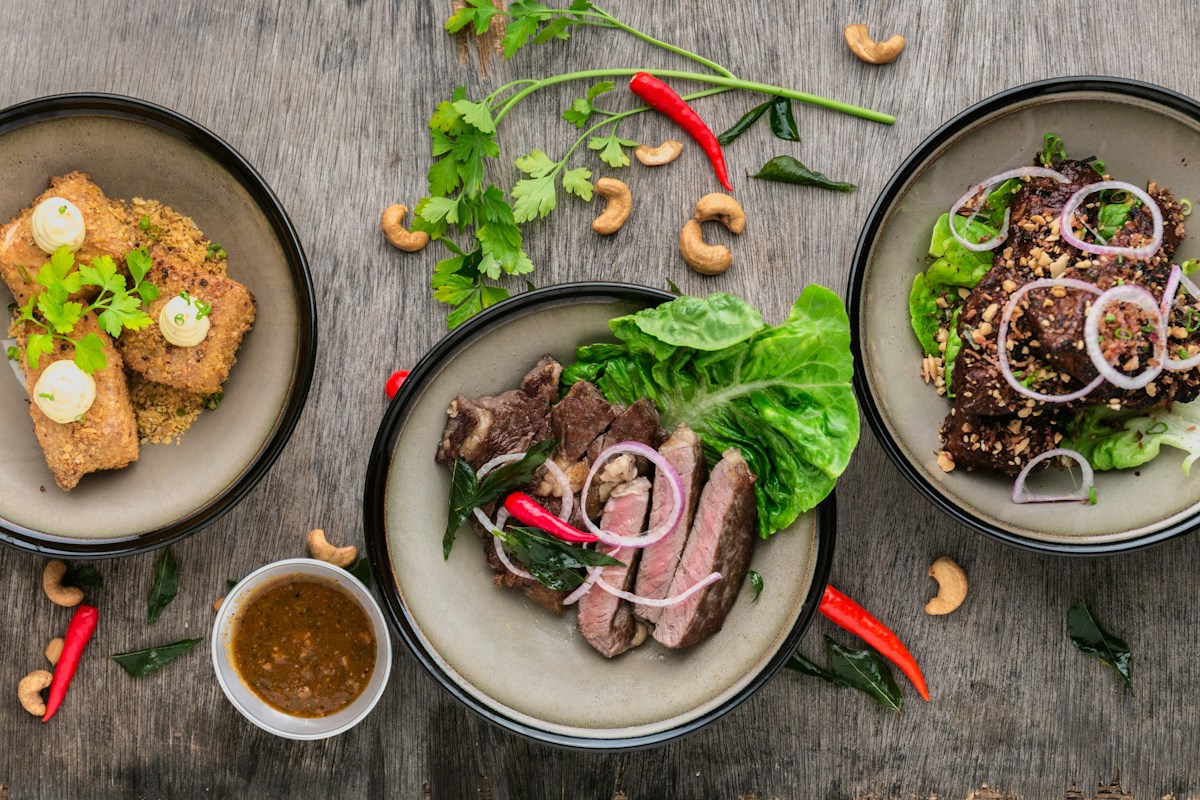
Meal planning used to feel restrictive to me, but I later realized it actually creates freedom. Without planning, I often wasted ingredients and ended up ordering food outside.
When I started planning meals every Sunday, I noticed my grocery trips became faster and more intentional. I stopped buying unnecessary items and focused only on what I actually needed.
Meal planning also reduces mental stress. Instead of thinking “what should I cook today?”, you already have a direction. This small shift makes cooking feel effortless rather than overwhelming.
Even a simple 3-day plan can significantly improve consistency in your diet and budget control.
3. Clean-as-You-Go Cooking Habit
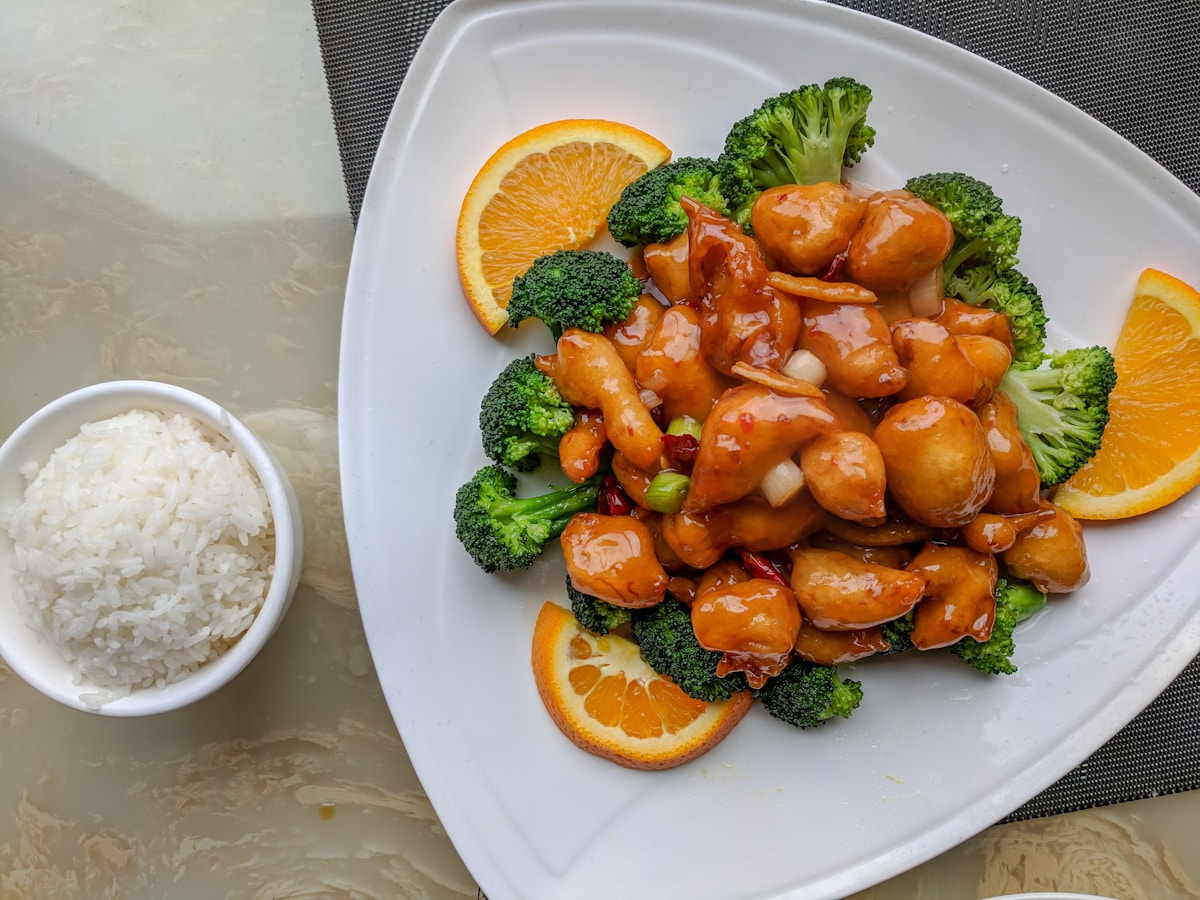
One of the most life-changing habits I adopted was cleaning while cooking. Previously, I would leave all cleaning for the end, which made me feel exhausted after eating.
Now, I wash utensils and wipe surfaces during cooking downtime. This keeps the kitchen manageable and prevents overwhelming cleanup sessions.
This habit also improves hygiene and food safety. A clean workspace reduces contamination risks and makes cooking more enjoyable.
It feels small, but over time, this habit changes your entire relationship with cooking.
4. Ingredient Preparation Before Cooking (Mise en Place)

Mise en place, a French culinary concept, means preparing all ingredients before cooking begins. I underestimated this habit for years until I experienced its benefits firsthand.
When everything is chopped, measured, and ready, cooking becomes smooth and almost meditative. There is no rushing or confusion mid-process.
This habit is especially useful for beginners because it reduces mistakes. Forgetting ingredients or burning food becomes less likely.
It also improves confidence in the kitchen, especially when trying new recipes.
5. Smart Grocery Shopping Habit
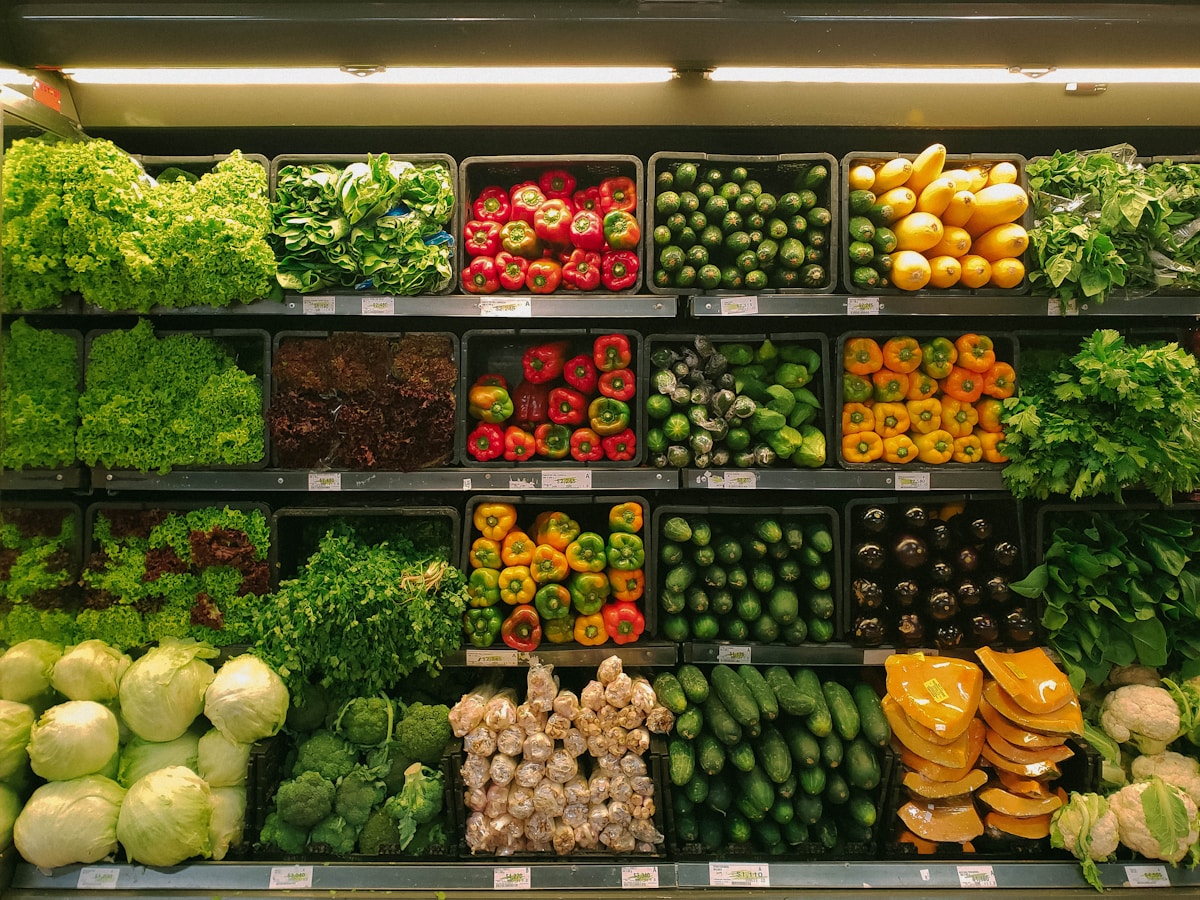
Grocery shopping without strategy often leads to wasted food and unnecessary spending. I used to buy items randomly, thinking I would use them later—but many went unused.
Now I always shop with a categorized list based on meal plans. This reduces waste and improves food quality in my kitchen.
Smart shopping also means understanding seasonal ingredients. They are usually cheaper, fresher, and more flavorful.
This habit alone can significantly reduce monthly food expenses while improving nutrition.
6. Maintaining a Minimal but Functional Kitchen Setup
Having too many kitchen tools can actually slow you down. I learned this the hard way after collecting gadgets I rarely used.
A minimal kitchen setup focuses only on essential tools that you use daily. This reduces clutter and improves efficiency.
When your kitchen is simple and functional, decision-making becomes easier and cooking feels more intentional.
It also makes cleaning faster and maintenance easier.
7. Building a Food Storage System That Works

Proper food storage is often ignored, but it plays a huge role in kitchen efficiency. I used to forget ingredients in the fridge until they spoiled.
Now I use transparent containers and label everything. This simple system reduces waste and improves awareness of available ingredients.
Good storage habits also help in meal planning because you always know what you already have.
This creates a more sustainable cooking routine over time.
8. Developing Consistency Over Perfection
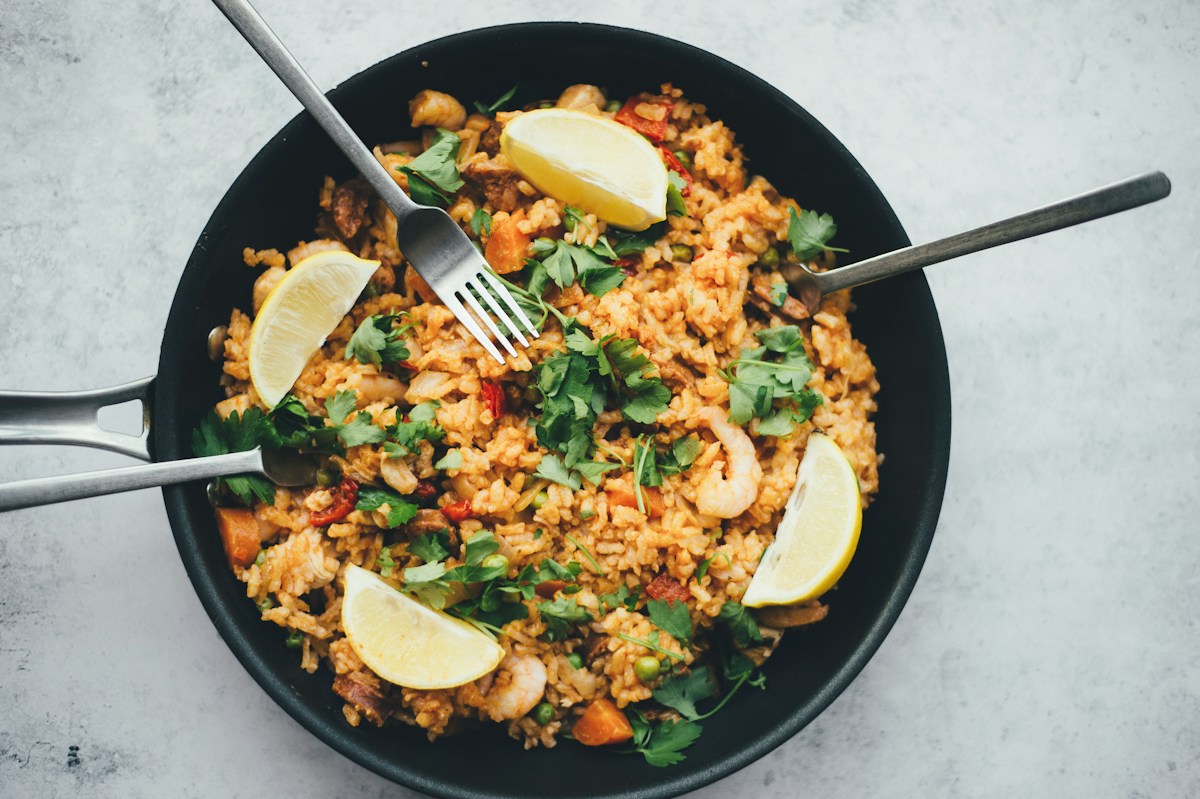
Many home cooks struggle because they aim for perfection instead of consistency. I used to overcomplicate recipes and end up discouraged.
Over time, I realized that consistency matters more than perfection. Simple meals cooked regularly are better than complex meals cooked rarely.
This mindset shift made cooking less stressful and more sustainable in daily life.
Consistency builds skill naturally without pressure.
Frequently Asked Questions (FAQ)
What is the most important kitchen habit for beginners?
Starting with kitchen organization and clean-as-you-go habits is the most impactful for beginners because it directly improves efficiency and reduces stress.
How does meal planning help in daily cooking?
Meal planning reduces decision fatigue, saves money, and helps maintain a balanced diet by providing structure to your weekly meals.
Do I need expensive tools to cook efficiently?
No. A minimal set of essential tools is more effective than many unused gadgets. Functionality matters more than quantity.
Why is ingredient preparation important?
It ensures smooth cooking flow, reduces mistakes, and makes the cooking process faster and more enjoyable.
Conclusion
Start with just one habit today—small improvements in your kitchen routine can transform your entire cooking lifestyle over time.
For deeper culinary techniques, you may explore BBC Good Food for trusted cooking guidance.
Ready to transform your kitchen routine?
Subscribe to our newsletter for more weekly meal planning tips and creative recipes!
Join Now
About the Author: FitFunnelsPro Team
We are dedicated to helping you optimize your kitchen time, reduce food waste, and build efficient, budget-friendly meal habits at home.
Visit our Official Website


Comments
Post a Comment