Healthy Cooking Tips for Everyday Life
Healthy Cooking Tips for Everyday Life: A Real Kitchen Transformation Guide
Table of Contents

Healthy cooking is often misunderstood as complicated dieting or restrictive eating. In reality, it is about building small, repeatable habits in your kitchen that slowly reshape your health, energy, and relationship with food.
This article is based on real-life experience, not theory. I struggled for years with inconsistent eating habits until I realized that the problem was not knowledge—but systems in the kitchen.
1. Understanding the Real Meaning of Healthy Cooking

Healthy cooking is not about perfection—it is about consistency. Most people fail not because they lack motivation, but because they try to change everything at once.
When I first started, I tried to eliminate sugar, salt, and processed food all at once. The result was burnout within a week. What worked instead was gradual adjustment.
Insight: Sustainable cooking habits are built through repetition, not restriction.
🎥 Featured Video
If video does not load in your browser, watch directly here: Open YouTube Video
🎥 Recommended Video
Explore more practical healthy cooking transformations for everyday life.
2. Starting With Ingredient Awareness
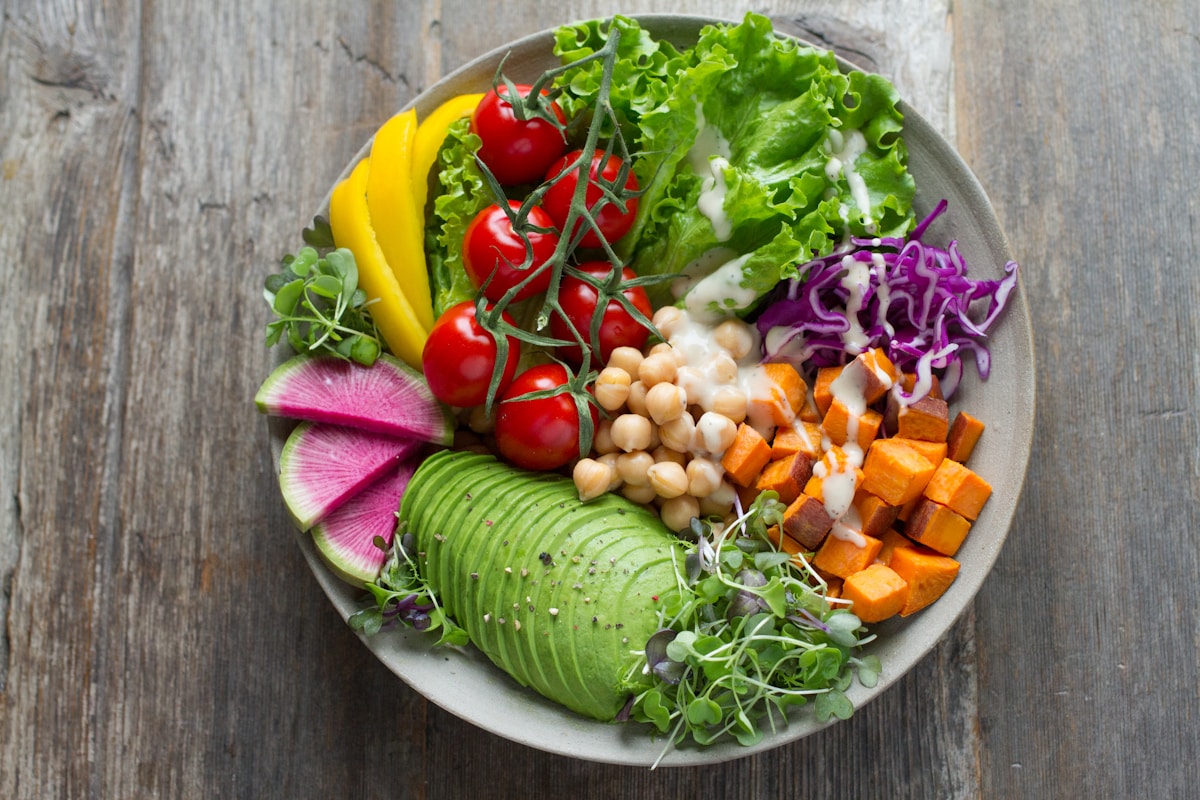
The first step in my transformation was learning to read ingredient labels. I discovered that many “healthy” foods contain hidden sugars and sodium.
This awareness changed how I shop completely. Instead of trusting packaging, I started trusting ingredients.
Example: Yogurt that looks healthy often contains more sugar than desserts.
3. Building a Simple Cooking Routine

Routine is more powerful than motivation. Once I started cooking at fixed times, my food quality improved automatically.
Meal preparation reduced impulsive decisions and helped me avoid unhealthy shortcuts.
Insight: Structure reduces reliance on emotional eating decisions.
4. Reducing Sugar and Salt Naturally
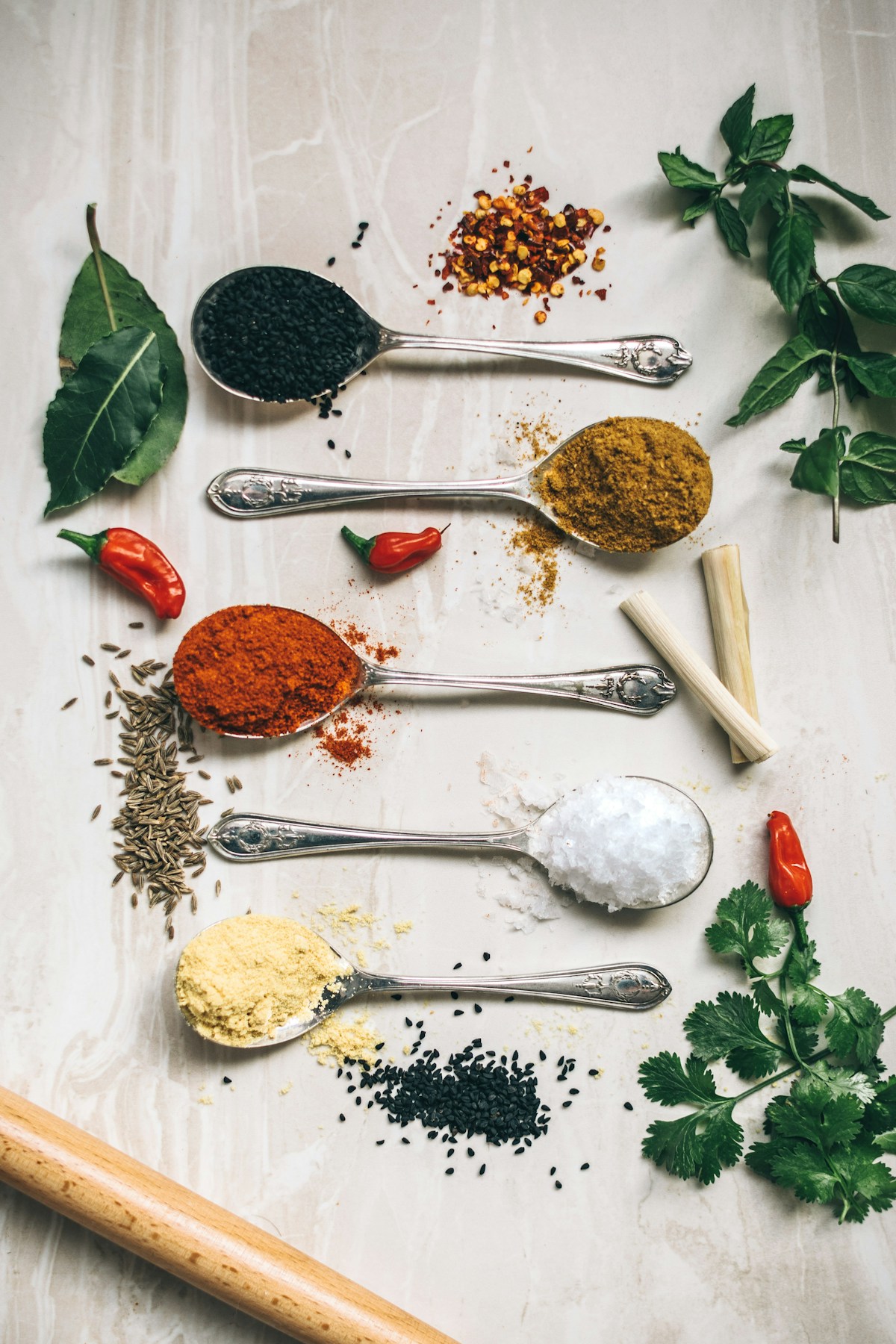
Instead of removing sugar and salt completely, I replaced them with natural enhancers like herbs, lemon, and spices.
This shift made food more complex in flavor rather than less enjoyable.
Example: Lemon juice replaces salt in salads surprisingly well.
5. Cooking Techniques That Improve Flavor Naturally

Roasting, steaming, and slow cooking naturally enhance flavor without needing excess seasoning.
I noticed vegetables taste sweeter when roasted rather than boiled.
Insight: Technique can replace dependency on additives.
6. Avoiding Processed Food Dependency

Processed food creates convenience but reduces awareness of what we eat daily.
By gradually reducing processed items, I regained control over flavor and nutrition.
Example: Home-made sauce is healthier and more customizable.
7. Emotional Relationship With Food

Food is deeply emotional. Stress often drives unhealthy eating habits more than hunger itself.
When I started slowing down during meals, I naturally ate healthier portions.
Insight: Awareness reduces overeating more than restriction.
8. Long-Term Sustainable Cooking Mindset

Healthy cooking is not a temporary diet—it is a lifestyle system that evolves over time.
The goal is not perfection but improvement that lasts years, not days.
Example: Small weekly improvements create massive yearly transformation.
Frequently Asked Questions (FAQ)
What is the easiest way to start healthy cooking?
Start by reducing processed food and cooking simple meals at home consistently.
Do I need to remove salt completely?
No, reducing excess salt and replacing it with herbs is more sustainable.
How long until I see changes?
Most people notice changes in energy and taste within 2–4 weeks.
Conclusion
Start with just one habit today—small improvements in your kitchen routine can transform your entire cooking lifestyle over time.
Read more from World Health Organization Healthy Diet Guide.
Ready to transform your kitchen routine?
Subscribe to our newsletter for more weekly meal planning tips and creative recipes!
Join Now
About the Author: FitFunnelsPro Team
We are dedicated to helping you optimize your kitchen time, reduce food waste, and build efficient, budget-friendly meal habits at home.
Visit our Official Website


Comments
Post a Comment