How to Store Ingredients Properly for Longer Freshness
How to Store Ingredients Properly for Longer Freshness
Table of Contents

I used to waste so much food without even realizing it. Vegetables would wilt, bread would go stale overnight, and herbs? Forget it—they barely survived two days. It wasn’t until I started learning how to properly store ingredients that everything changed.
What surprised me most is that food storage isn’t just about putting things in the fridge. It’s about understanding how ingredients behave—how they breathe, react to temperature, and interact with other foods.
Once I made a few small changes, I noticed something powerful: my groceries lasted almost twice as long, my cooking became more efficient, and I saved a surprising amount of money.
🎥 Featured Video
Watch related videos on YouTube about how to store ingredients properly
Search results are automatically generated based on the article title.
🎥 Recommended Video
Understanding Why Proper Storage Matters
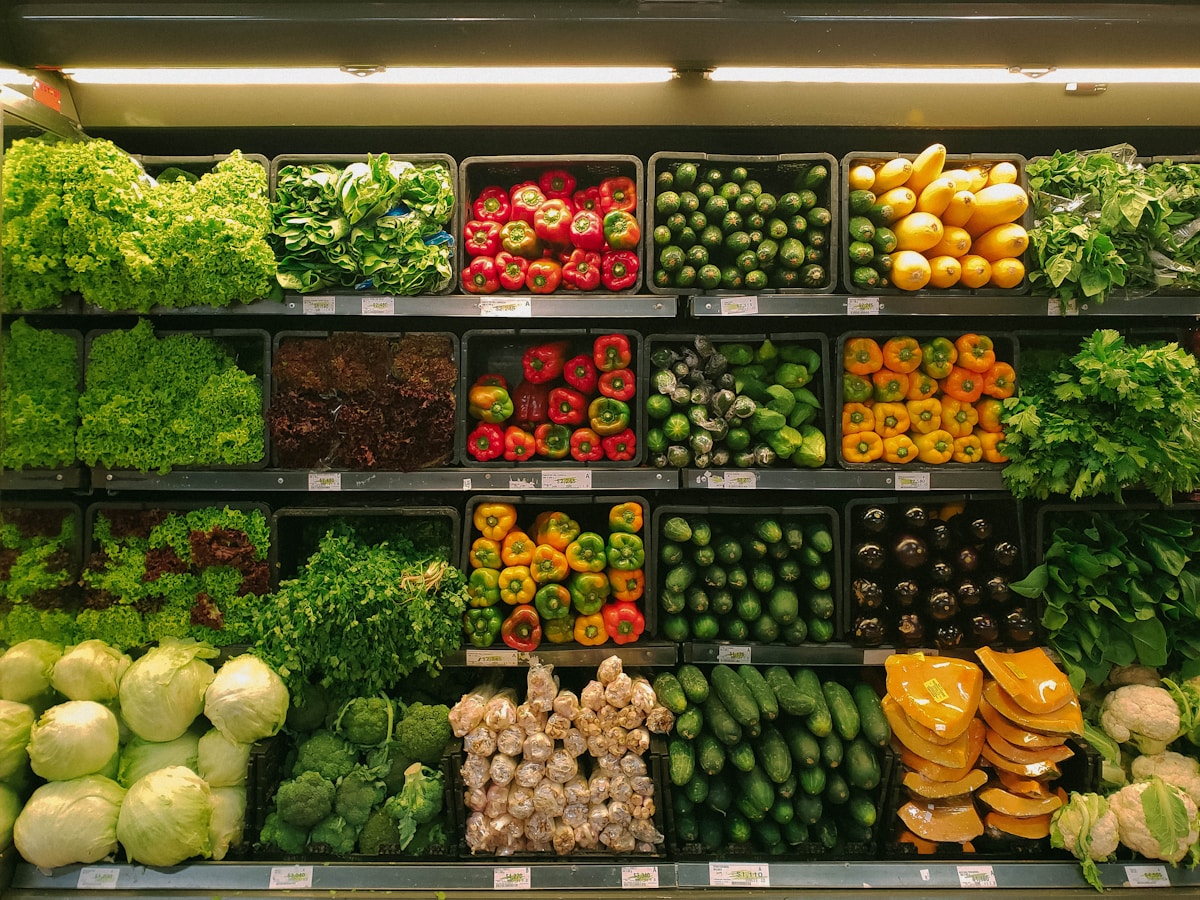
Food storage is often underestimated, but it directly impacts freshness, taste, and even nutrition. When ingredients are stored incorrectly, they degrade faster due to exposure to air, moisture, or bacteria.
I remember buying fresh spinach weekly, only to throw half of it away. The issue wasn’t quality—it was storage. Once I started using airtight containers with paper towels to absorb moisture, everything changed.
This simple shift made me realize that freshness isn’t luck—it’s strategy. And once you understand the basics, you gain control over your kitchen efficiency.
Best Practices for Refrigeration

Your fridge is not just a cold box—it’s a controlled environment. Different sections have different temperatures, and placing items correctly can extend their lifespan dramatically.
For example, dairy products should stay in the coldest part of the fridge, not the door. Meanwhile, vegetables thrive in humidity-controlled drawers.
Once I reorganized my fridge intentionally, I noticed fewer spoiled items and better-tasting meals.
How to Store Dry Ingredients Correctly
Dry ingredients like rice, flour, and pasta may seem low-maintenance, but improper storage can lead to moisture damage or pests.
The key is airtight containers and cool, dark environments. I personally switched to glass jars—not just for aesthetics, but for functionality.
It’s a small investment that pays off quickly, especially if you cook regularly.
Freezing Techniques That Actually Work

Freezing is one of the most powerful ways to extend food life—but only if done properly. Otherwise, you’ll end up with freezer burn and ruined textures.
I learned to portion meals before freezing, which made cooking faster and reduced waste. Labeling dates also helped me stay organized.
Freezing isn’t just storage—it’s a strategy for efficient living.
Storing Fresh Produce the Right Way

Produce storage is where most people go wrong. Some fruits release ethylene gas, which speeds up ripening—and spoilage.
Separating apples from leafy greens, for example, can extend freshness significantly. I didn’t believe it until I tested it myself.
Now, my vegetables last longer, taste better, and I waste far less.
Common Storage Mistakes to Avoid

One of the biggest mistakes is assuming all foods belong in the fridge. Tomatoes, for instance, lose flavor when refrigerated.
Another mistake is overcrowding the fridge, which blocks air circulation and creates uneven temperatures.
Awareness is the first step toward better habits.
How Storage Impacts Budget and Waste

Food waste is not just an environmental issue—it’s a financial one. Poor storage habits lead to unnecessary spending.
After improving my storage techniques, I noticed a clear drop in my grocery bills. It wasn’t about buying less—it was about using more of what I already had.
This shift made my kitchen feel more intentional and less wasteful.
Simple Systems for Everyday Efficiency

Consistency is key. I started using weekly meal prep and labeling systems to stay organized.
Even something as simple as grouping ingredients by meal type made cooking easier and faster.
These systems don’t have to be complicated—they just need to work for you.
Final Thoughts on Ingredient Storage
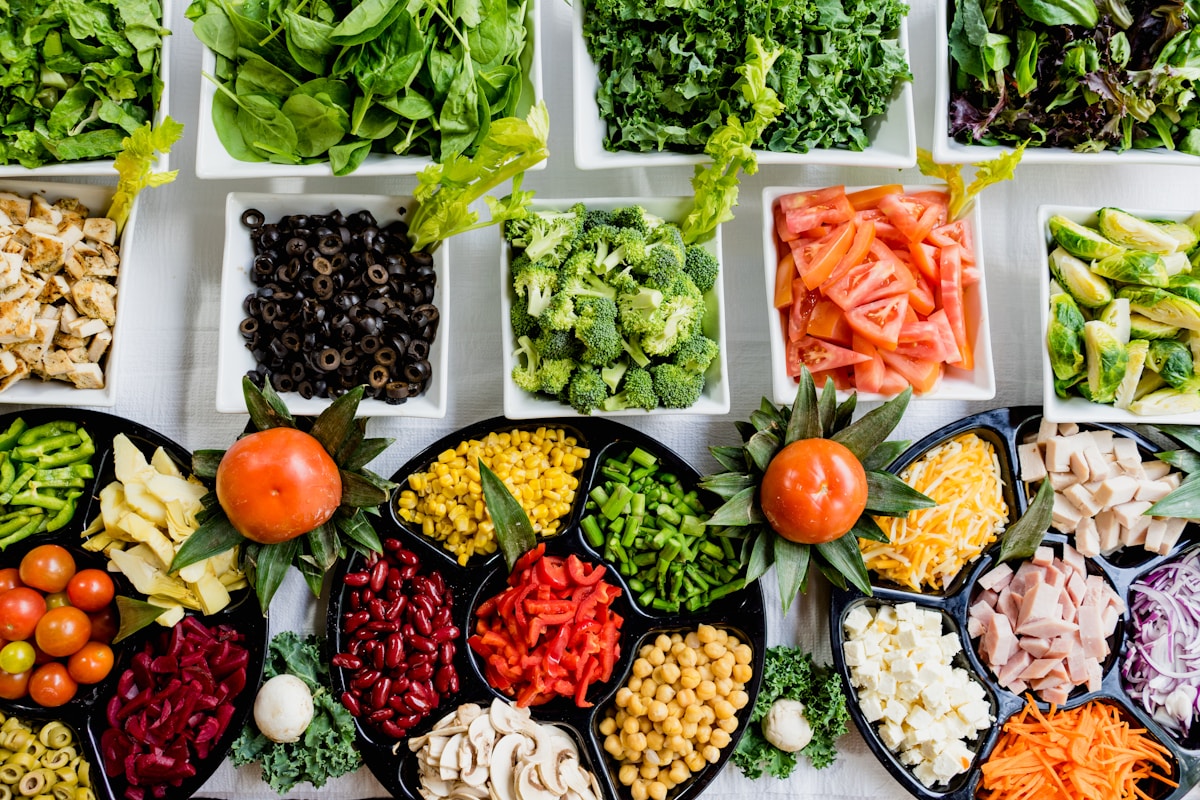
At the end of the day, proper storage is about respect—for your food, your time, and your budget.
It’s not about perfection. It’s about small improvements that add up over time.
If you start today, even with one change, you’ll notice the difference almost immediately.
Frequently Asked Questions
How long can food last with proper storage?
Proper storage can double or even triple the lifespan of many ingredients, depending on the type and method used.
Is freezing always the best option?
No, some foods lose texture or flavor when frozen. It’s important to understand which foods freeze well.
What is the biggest storage mistake?
Assuming all foods should be refrigerated. Some items actually degrade faster in cold environments.
Are glass containers better than plastic?
Yes, they are more durable, safer, and better at preserving freshness.
Conclusion
Mastering ingredient storage is a continuous process that yields lasting benefits. By organizing your space and using proper containers, you save money, reduce waste, and always have fresh ingredients on hand.
Ready to transform your kitchen routine?
Subscribe to our newsletter for more weekly meal planning tips and creative recipes!
Join Now
About the Author: FitFunnelsPro Team
We are dedicated to helping you optimize your kitchen time, reduce food waste, and build efficient, budget-friendly meal habits at home.
Visit our Official Website


Comments
Post a Comment