Must-Know Cooking Basics for Beginners
Must-Know Cooking Basics for Beginners
Table of Contents
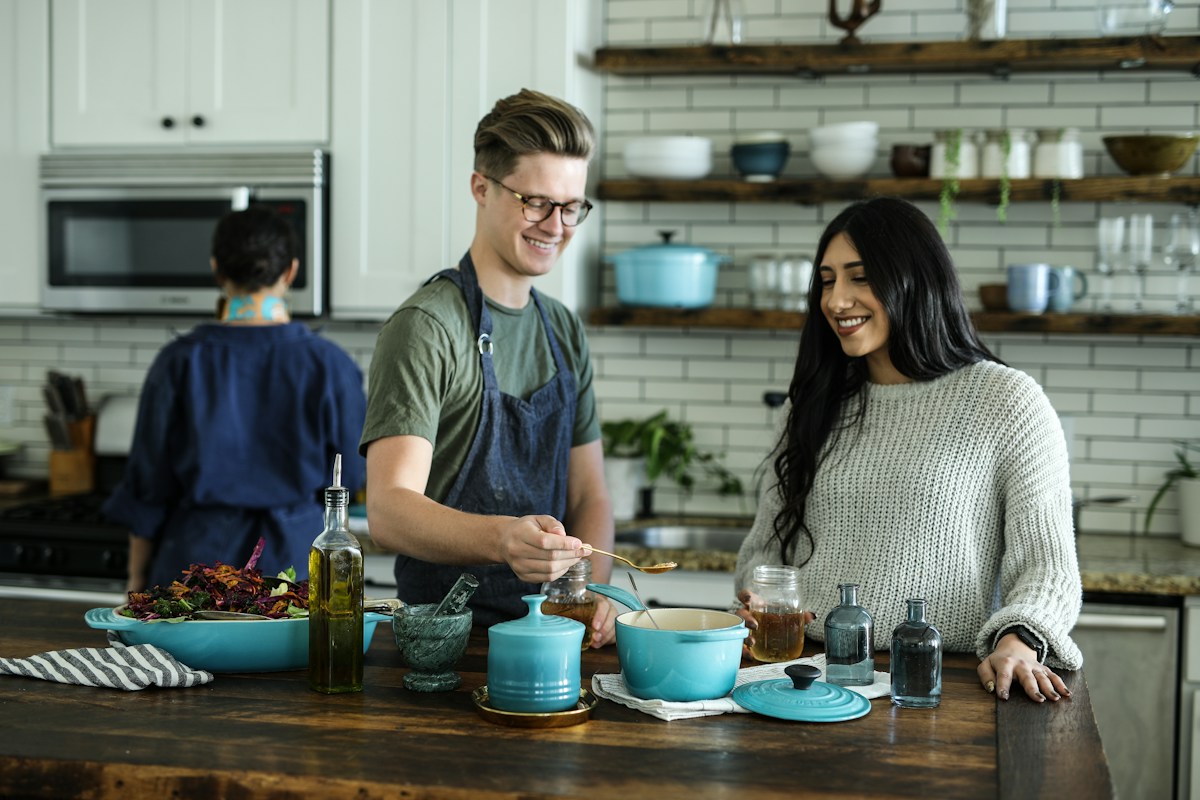
Cooking for the first time can feel overwhelming. I still remember the moment I stood in my kitchen, staring at raw ingredients, unsure of where to begin. It wasn’t a lack of recipes—it was a lack of confidence and understanding.
Many beginners think cooking is about following instructions perfectly. But in reality, cooking is about understanding the fundamentals. Once you learn how heat works, how ingredients react, and how flavors develop, everything becomes easier.
This guide is built from real experience—not theory. It focuses on practical cooking basics that help you gain confidence, avoid common mistakes, and actually enjoy the process.
🎥 Featured Video
Watch related videos on YouTube about must-know cooking basics for beginners
Search results are automatically generated based on the article title.
🎥 Recommended Video
Start with Simple Kitchen Tools

One of the biggest misconceptions is that you need a fully equipped kitchen to cook well. I used to believe that too, until I realized I was only using a few essential tools regularly.
A sharp knife, a cutting board, and a reliable pan are enough to start. These tools allow you to prepare ingredients efficiently and cook most beginner recipes without stress.
The real skill lies in knowing how to use them properly. Understanding how your pan heats up or how your knife cuts makes a bigger difference than owning expensive equipment.
Learn Basic Knife Skills First

Knife skills are often overlooked, but they are essential. When ingredients are cut evenly, they cook evenly. That alone improves your cooking instantly.
I remember struggling with uneven cuts, which led to inconsistent cooking. Some pieces burned while others stayed undercooked. Once I focused on improving my knife skills, everything changed.
Start slow. Focus on control, not speed. Over time, your movements will become more natural and efficient.
Understand Heat and Timing
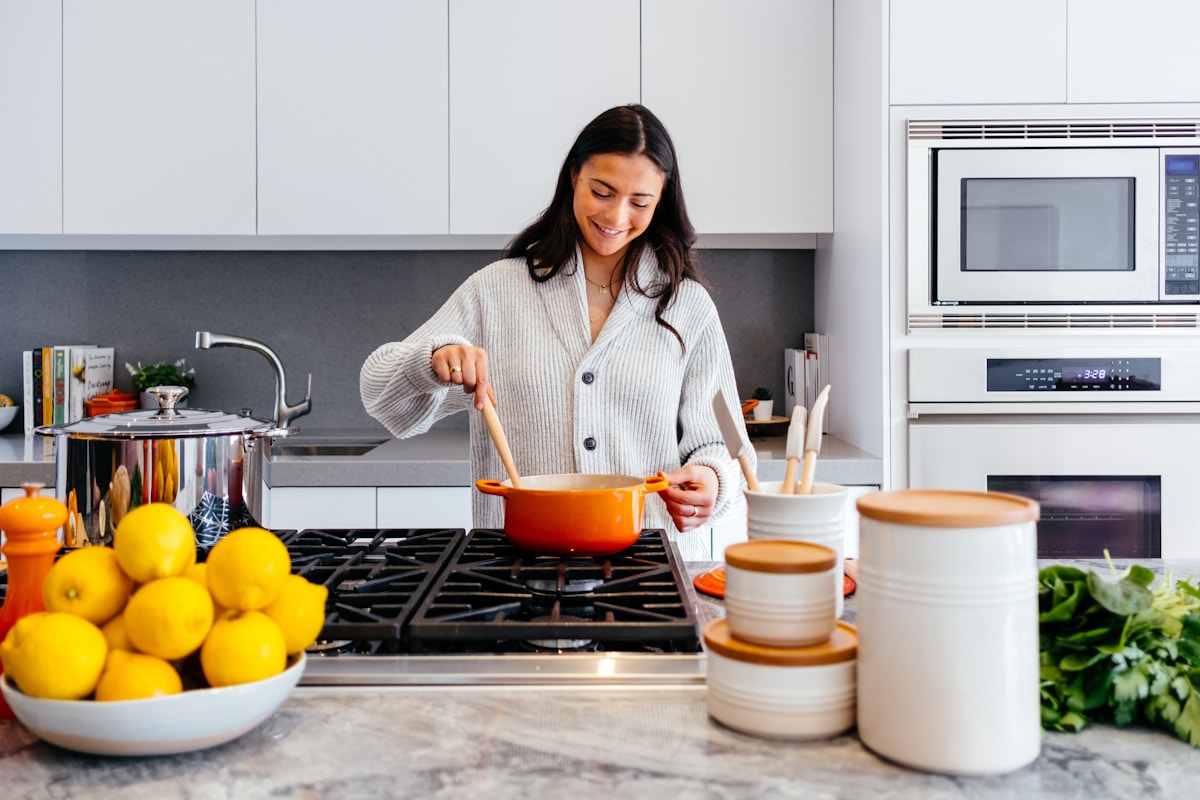
Heat is one of the most important elements in cooking. Too much heat burns food, while too little leaves it undercooked.
I learned this lesson while cooking eggs. I kept burning them until I realized I was using too much heat. Lowering the temperature made a huge difference.
Think of heat as something you control gradually. Adjust it based on how your food reacts, not just what the recipe says.
Focus on Fresh Ingredients
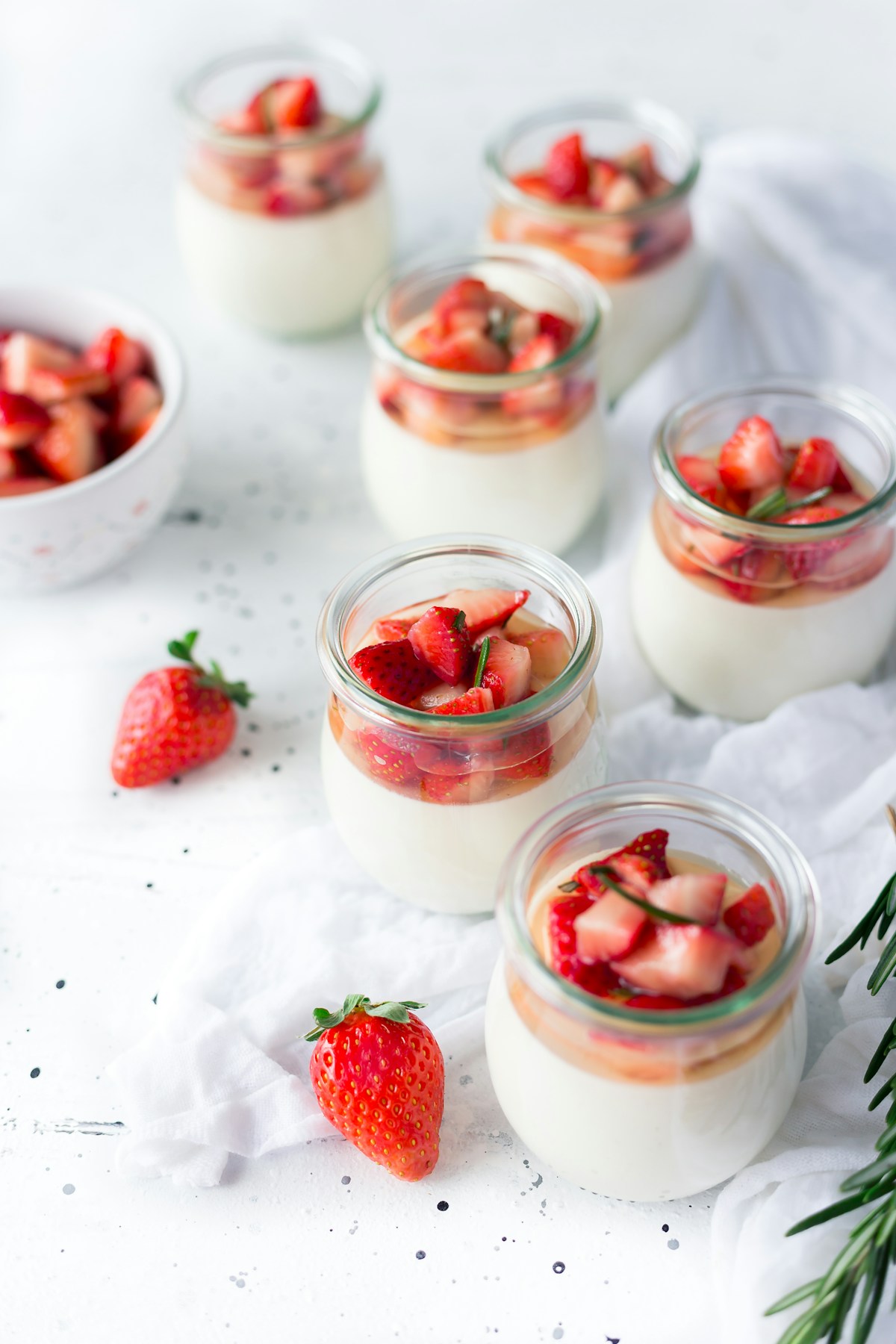
Good cooking starts with good ingredients. You don’t need fancy techniques if your ingredients are fresh and flavorful.
I once tried recreating a dish perfectly but failed because my ingredients weren’t fresh. That experience taught me how important quality is.
Pay attention to how ingredients look, smell, and feel. This awareness improves your cooking more than any recipe ever could.
Master Simple Cooking Techniques
You don’t need to learn everything at once. A few basic techniques like sautéing, boiling, and roasting are enough to get started.
I spent weeks practicing sautéing vegetables. It helped me understand heat, timing, and seasoning all at once.
Mastering one technique builds confidence and makes learning others much easier.
Seasoning is Everything

Seasoning is what transforms simple ingredients into delicious meals. Without it, food tastes flat.
I used to either under-season or overdo it. The breakthrough came when I started tasting food during cooking.
Adding seasoning gradually helps you control the flavor and avoid mistakes.
Build Confidence Through Practice

Confidence comes from experience, not theory. The more you cook, the more comfortable you become.
I made many mistakes in the beginning, but each one taught me something valuable. Over time, cooking became second nature.
Don’t aim for perfection. Focus on learning and improving with every meal you cook.
Frequently Asked Questions
What are the easiest meals for beginners?
Simple dishes like eggs, pasta, and stir-fry are great starting points.
How can I improve my cooking fast?
Practice consistently and focus on mastering one technique at a time.
Do I need expensive tools?
No, basic tools are enough for beginners.
Conclusion
Cooking is a skill you build over time. By mastering the basics, you create a strong foundation for everything else.
Start small, stay consistent, and enjoy the process. The more you cook, the more confident you will become.
Take action today: pick one basic skill and practice it. That’s how every great cook begins.
Ready to transform your kitchen routine?
Subscribe to our newsletter for more weekly meal planning tips and creative recipes!
Join Now
About the Author: FitFunnelsPro Team
We are dedicated to helping you optimize your kitchen time, reduce food waste, and build efficient, budget-friendly meal habits at home.
Visit our Official Website


Comments
Post a Comment