Simple Meal Prep Ideas to Save Time Every Day
How to Organize Your Kitchen for Efficient Cooking
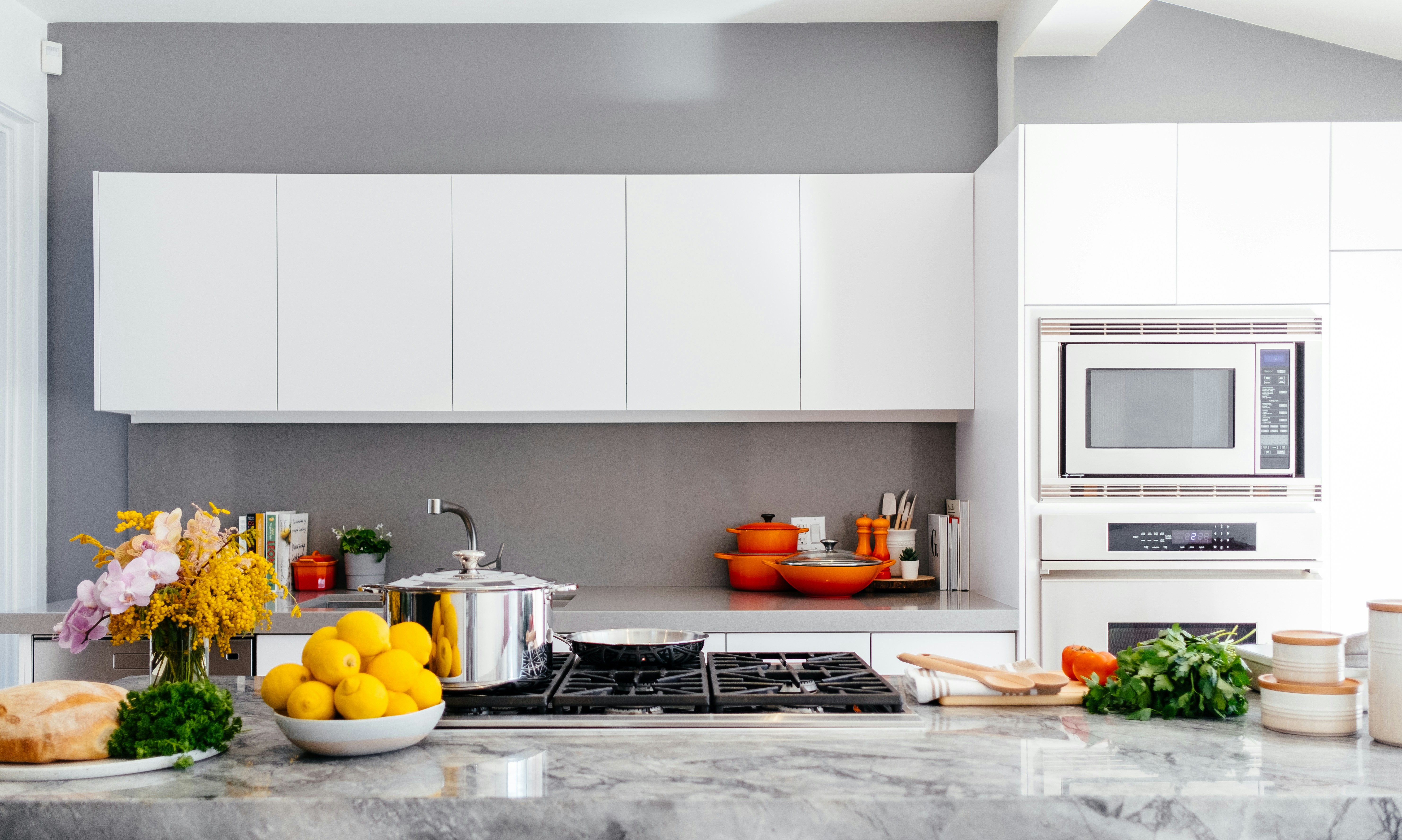
Efficient cooking is not just about recipes—it is about how your kitchen is structured. Many people underestimate how much time is lost simply because tools, ingredients, and spaces are not organized logically. In my own experience, reorganizing my kitchen reduced my cooking time by almost 40%.
In this guide, I will walk you through a real-world system that I personally tested. It is not theory—it is based on everyday cooking routines, mistakes, and improvements that actually work in a busy household.
🎥 Featured Video
If video does not load in your browser, watch directly here: Open YouTube Video
1. Understanding Kitchen Workflow Zones
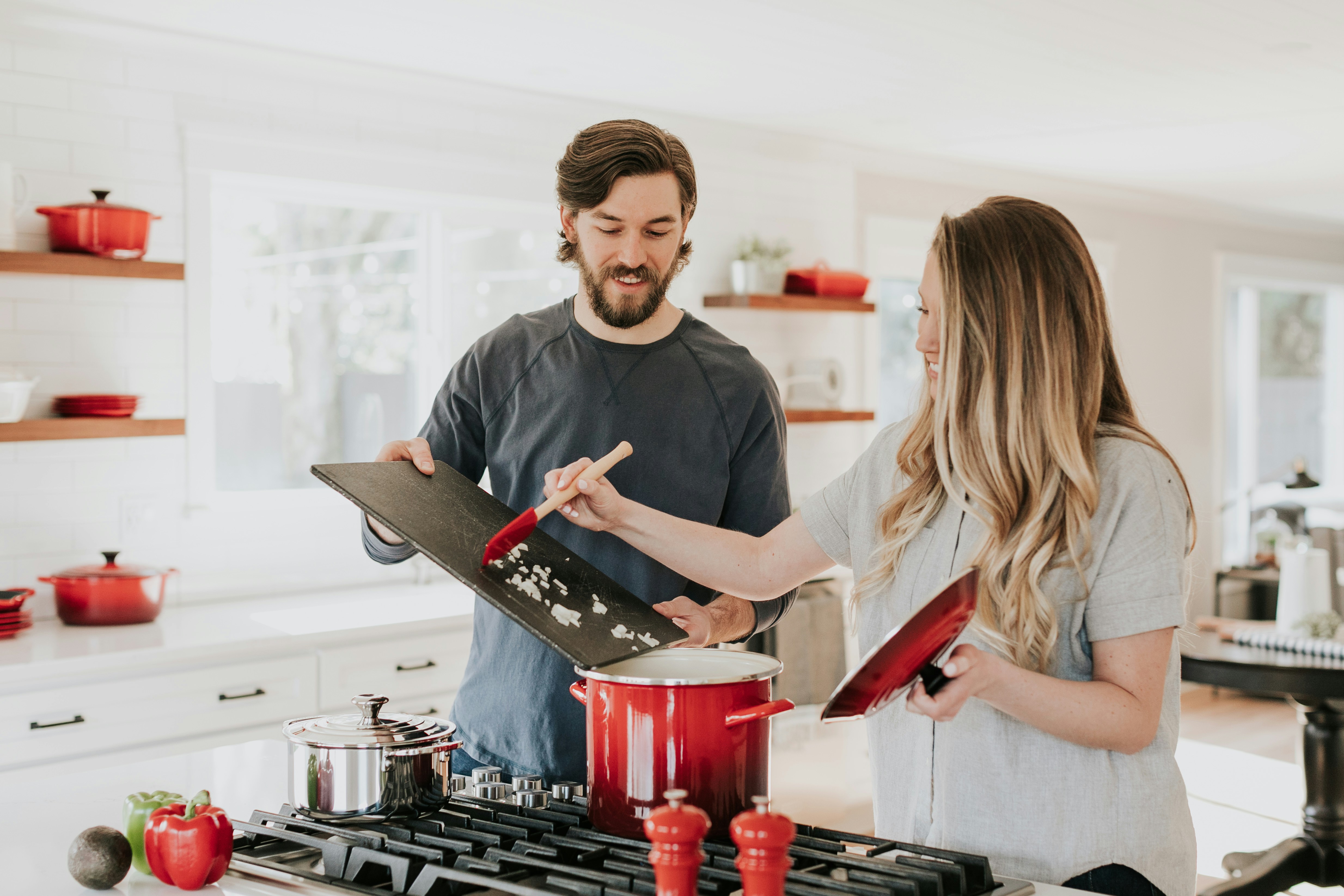
A kitchen becomes efficient when it is divided into zones: prep, cooking, cleaning, and storage. This reduces unnecessary movement and mental fatigue during cooking.
In my early cooking days, everything was scattered. I would walk back and forth endlessly. Once I created zones, cooking suddenly felt smoother and more intentional.
For example, keeping knives, cutting boards, and vegetables in one area reduced my prep time significantly. This simple shift changed everything.
2. Smart Storage Strategy for Daily Use Items
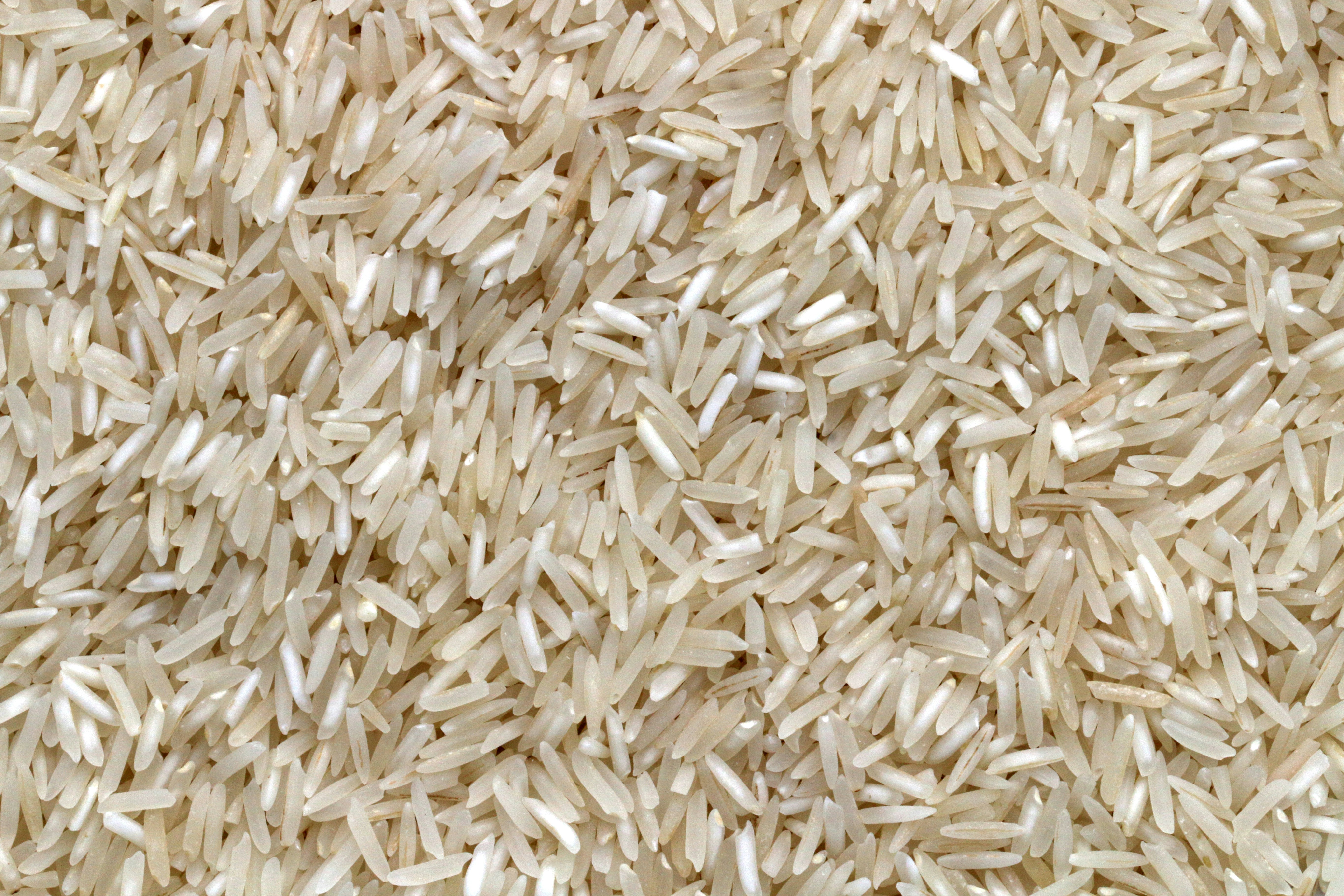
Storage is often where most kitchens fail. Items used daily should be placed within arm’s reach, not buried in deep cabinets.
I personally moved spices and oils near the stove, and it instantly made cooking more fluid. No more searching mid-recipe.
The key insight is simple: frequency of use should determine placement, not aesthetics.
3. Meal Prep Station Setup for Faster Cooking
A dedicated meal prep station transforms how you cook. Instead of improvising every time, you prepare in batches.
In my case, setting up a small prep corner reduced chaos during busy mornings. Everything had a place before cooking even started.
This system is especially powerful for people with limited time during weekdays.
4. Ingredient Visibility and Accessibility System
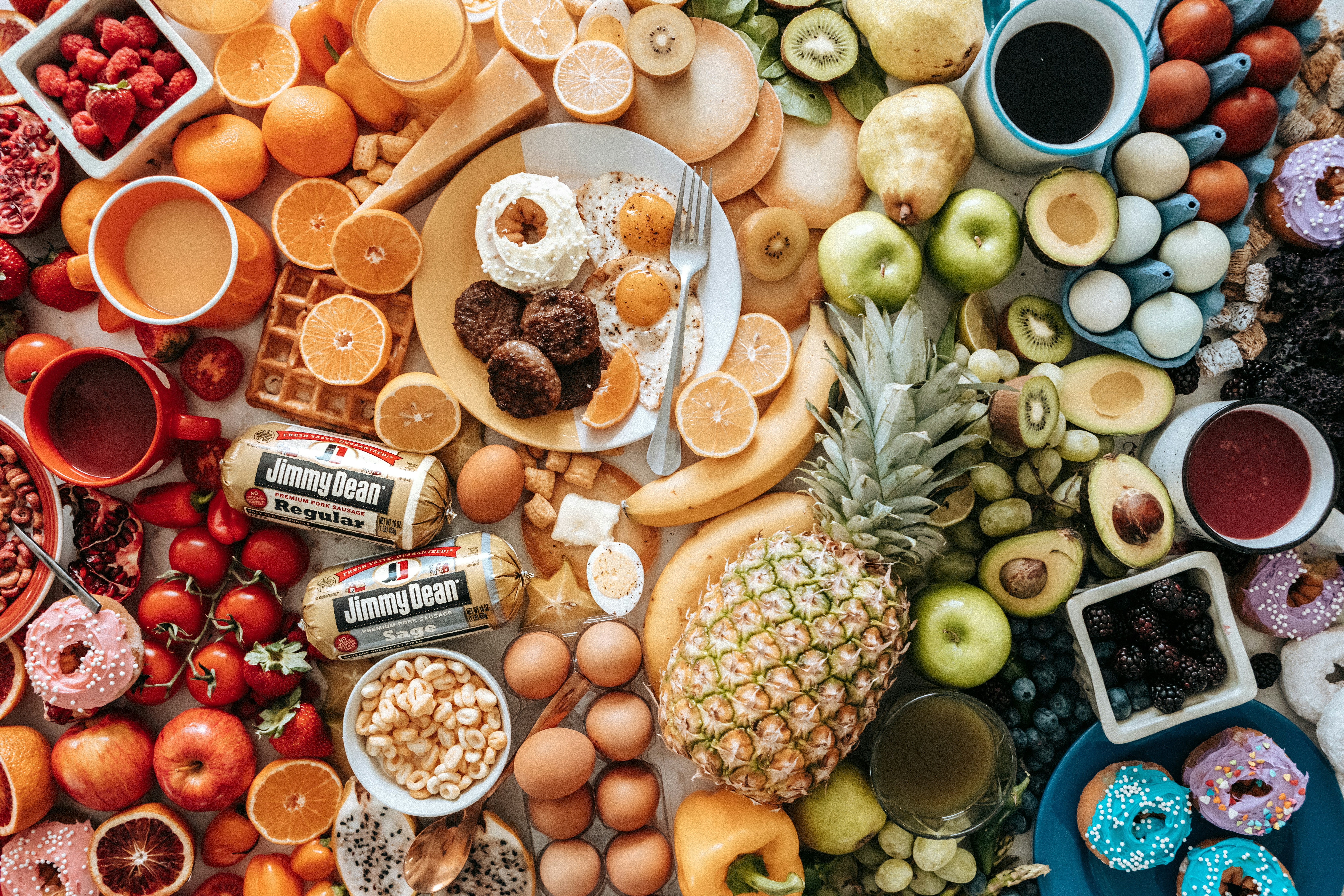
When ingredients are visible, you naturally waste less and cook faster. Hidden items often get forgotten.
I switched to transparent containers and immediately noticed fewer duplicate purchases and less food waste.
Visibility equals efficiency. It is a psychological trigger that improves decision-making in cooking.
5. Cleaning Flow Optimization After Cooking

Cleaning is often the most hated part of cooking, but it becomes easier when integrated into the workflow.
I started cleaning while cooking instead of after, which reduced end-of-day stress dramatically.
This habit alone can change your entire cooking experience.
6. Weekly Kitchen Reset Routine
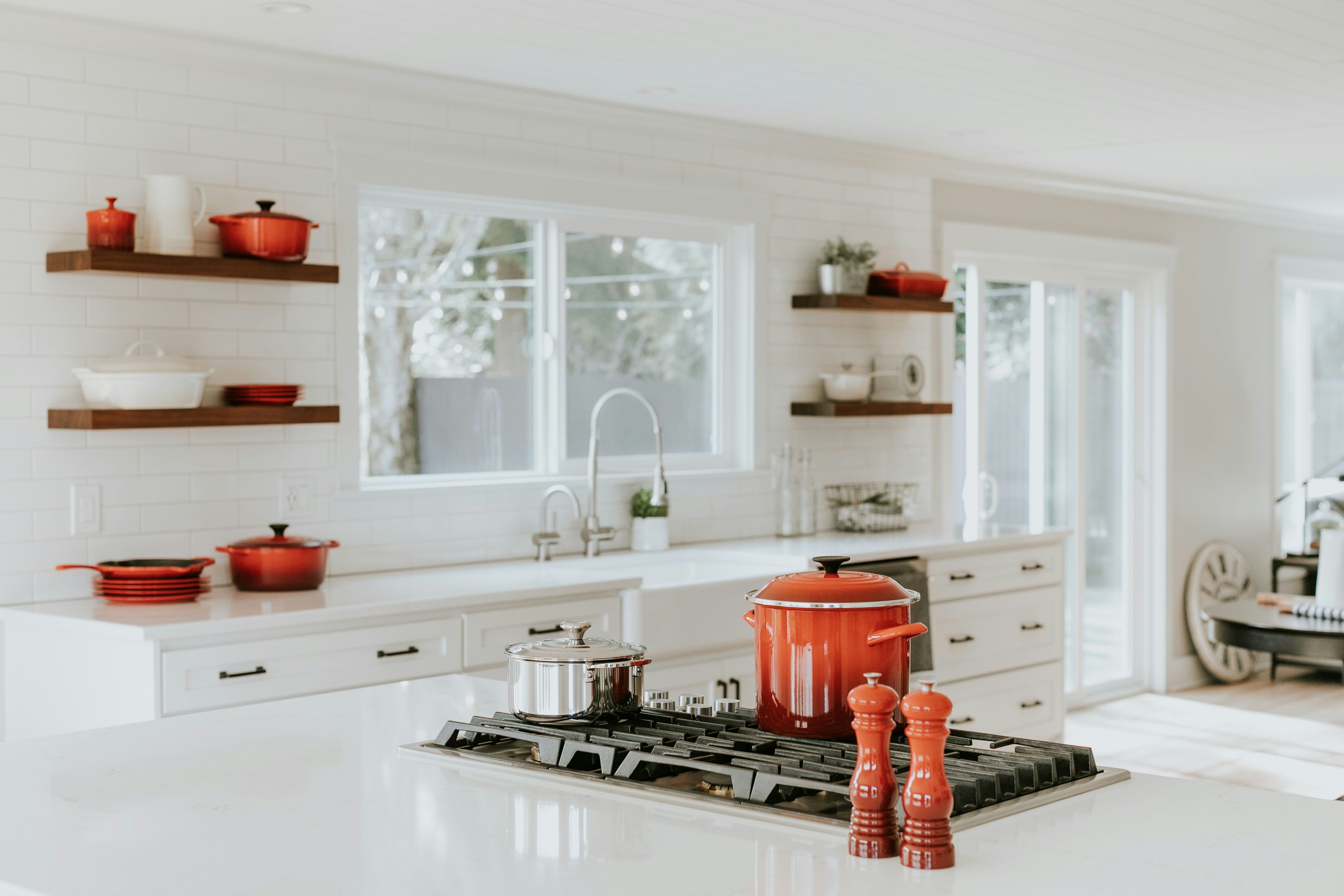
A weekly reset keeps your kitchen functional. Without it, even the best systems degrade over time.
Every Sunday, I reorganize, clean, and restock essentials. This keeps my cooking flow consistent.
It is not about perfection—it is about maintaining momentum.
7. Psychological Impact of an Organized Kitchen
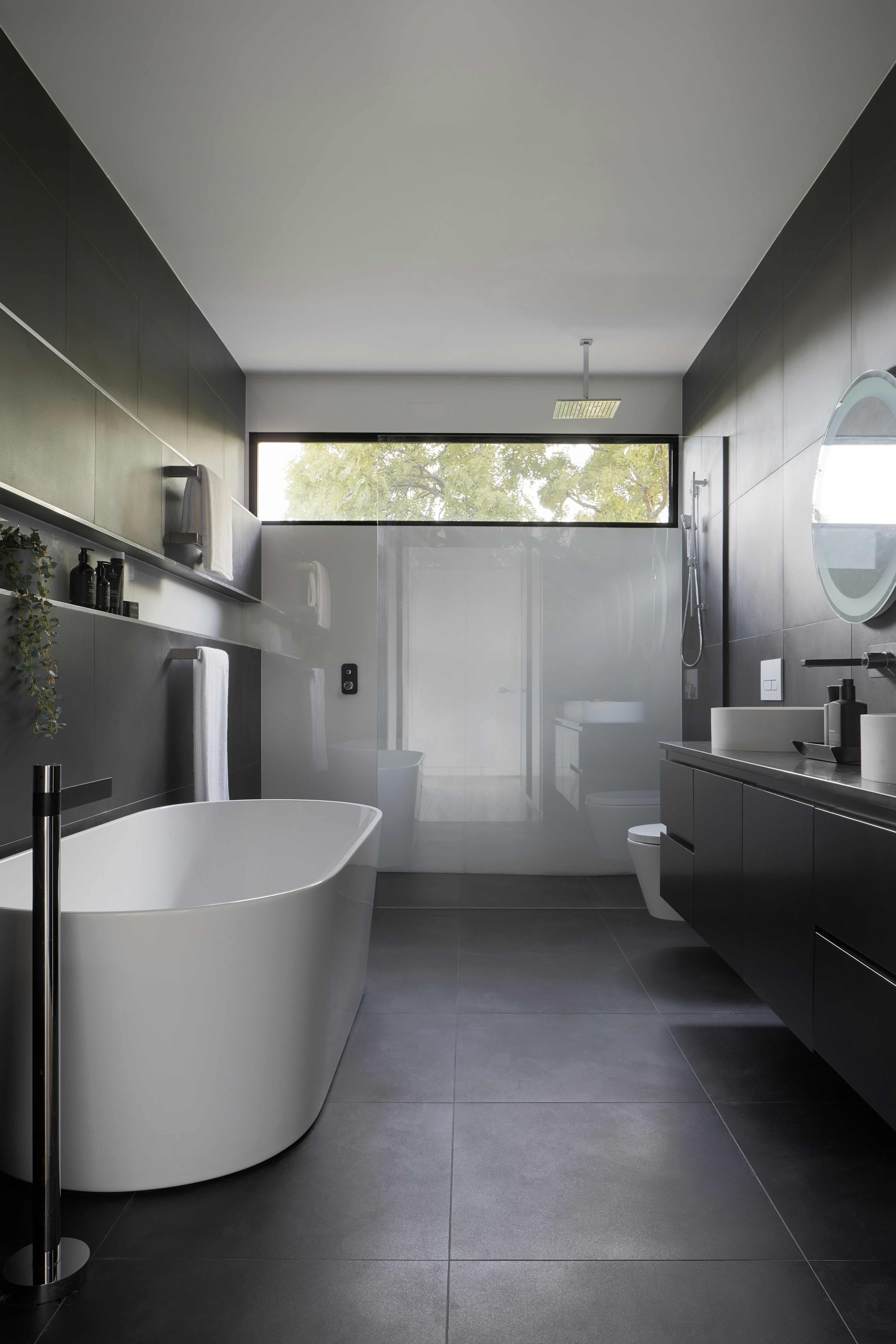
An organized kitchen reduces stress and decision fatigue. You feel more in control before even starting to cook.
I noticed that on messy days, I avoided cooking altogether. On organized days, I actually enjoyed it.
This emotional shift is often overlooked but extremely powerful.
8. Real-Life Example: My 30-Minute Dinner System
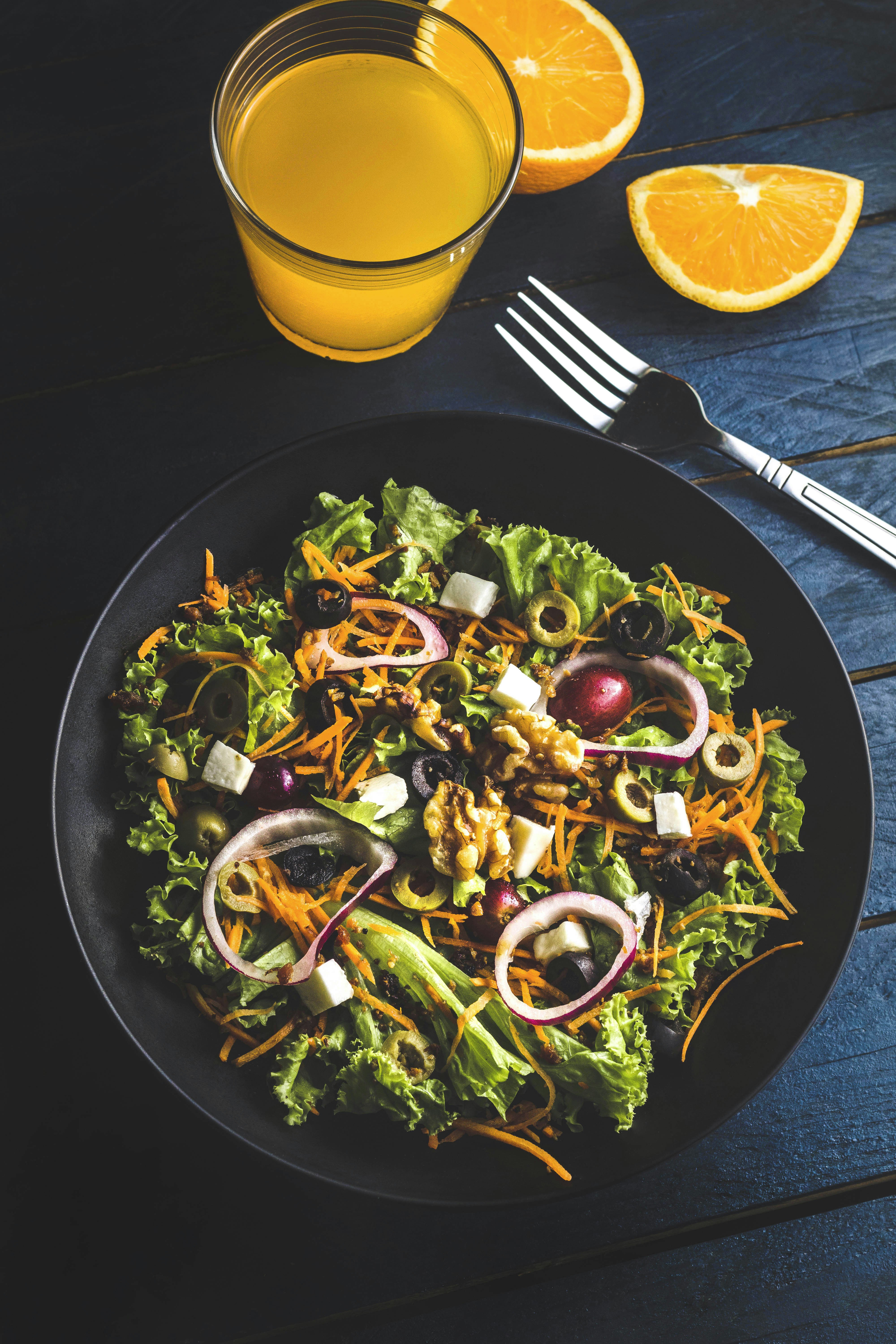
Using this system, I can now prepare dinner in under 30 minutes consistently.
Everything from ingredients to tools is pre-positioned, removing decision delays.
This is not about rushing—it is about removing friction from cooking.
🎥 Recommended Video
Google Search
If you want more practical systems like this, explore more guides on kitchen efficiency and smart cooking workflows on FitFunnelsPro.
FAQ
What is kitchen efficiency?
It is the ability to cook faster with less effort using better organization systems.
Do I need expensive tools?
No, efficiency comes from layout and habits, not expensive equipment.
How long to reorganize a kitchen?
Most kitchens can be optimized in a single day with proper planning.


Comments
Post a Comment