Simple Ways to Reduce Sugar and Salt in Your Cooking
Simple Ways to Reduce Sugar and Salt in Your Cooking (Without Losing Real Flavor)
Table of Contents

When I first started paying attention to sugar and salt in my cooking, I didn’t expect it would completely change how I experience food. It started with a small feeling—post-meal fatigue, slight bloating, and a sense that everything I ate tasted “too strong” but not necessarily better.
At first, I assumed healthy eating meant bland meals. But over time, I realized something deeper: the real issue wasn’t flavor loss—it was flavor dependence. My taste buds had simply adapted to too much seasoning.
This article is not about strict dieting or removing joy from food. It’s about rebuilding your relationship with flavor so that natural ingredients can speak for themselves again.
1. Why Sugar and Salt Became Hidden Dominants in Modern Cooking

Modern diets don’t just contain sugar and salt—they are structured around them. Many packaged foods rely on these ingredients not for nutrition, but for taste reinforcement. This is why even savory foods can taste slightly sweet or overly salty without us noticing.
I realized this during a simple grocery experiment: I compared homemade tomato sauce with store-bought ones. The store version was significantly sweeter and saltier, even though I expected it to be healthier due to branding.
Over time, this creates a subtle shift in preference. Natural foods start tasting “flat,” not because they lack flavor, but because our palate has been recalibrated.
Insight: The modern food system doesn’t just feed us—it trains our taste expectations.
2. The Hidden Sources You Never Suspect in Daily Meals
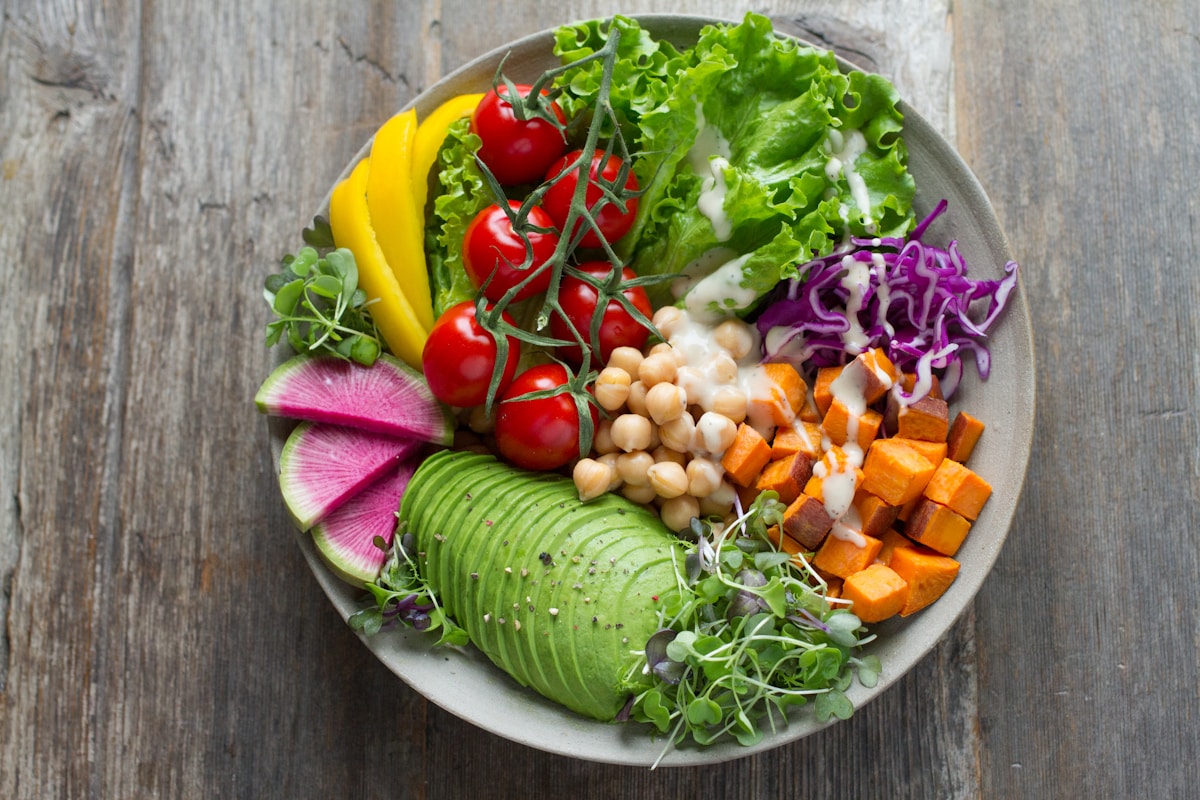
One of the most eye-opening moments in my journey was discovering how much sugar exists in “non-sweet” foods. Bread, sauces, instant soups, even flavored yogurt—all contribute more than expected.
Salt behaves similarly. A single bowl of soup or processed snack can contain more sodium than an entire homemade meal. The issue is cumulative exposure, not one single dish.
When I started reading labels carefully, I realized I was consuming sugar and salt passively throughout the day without intention.
Example: Breakfast alone can already include hidden sugar from cereal, milk alternatives, and fruit juices.
3. Practical Strategies to Reduce Sugar Without Sacrificing Taste
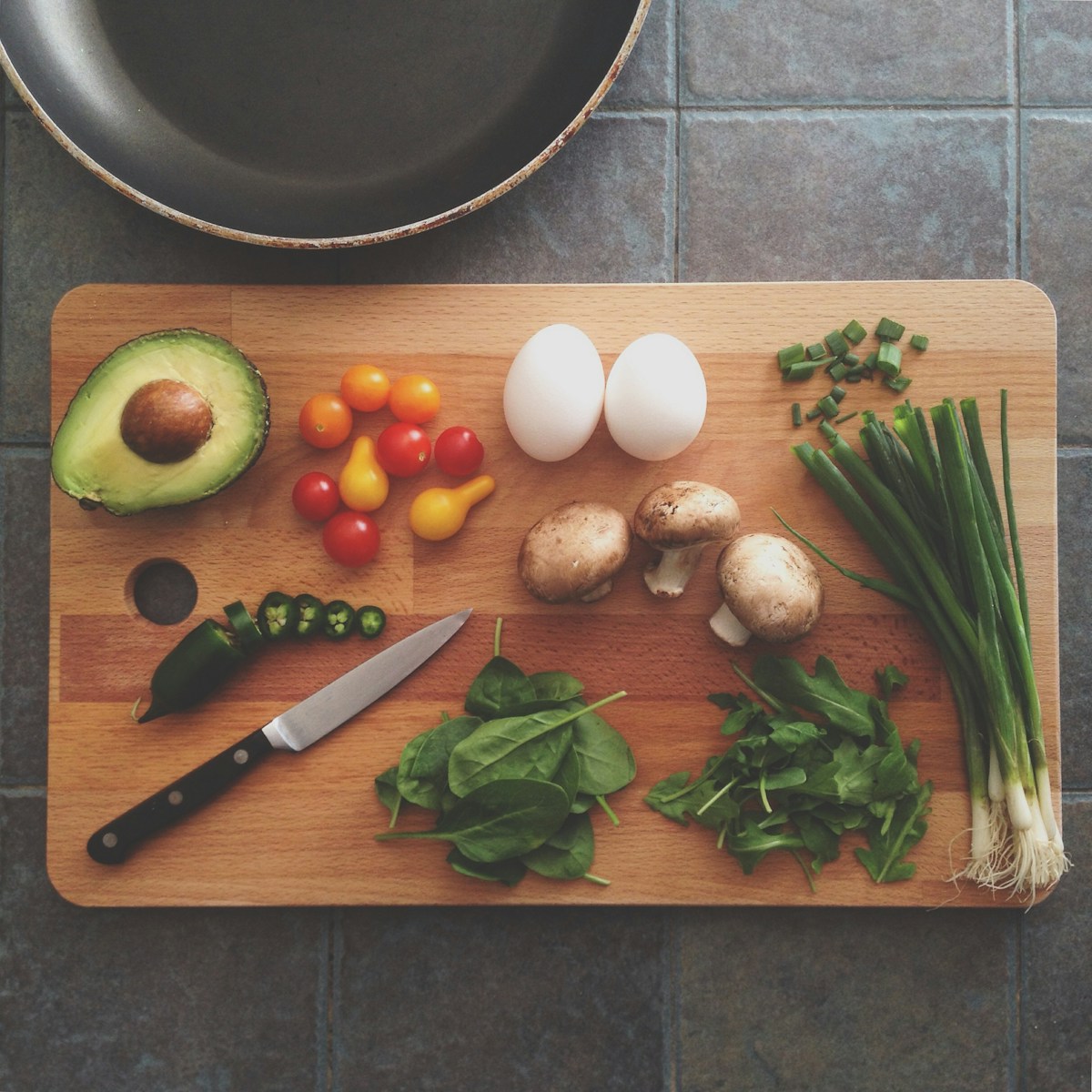
Reducing sugar doesn’t mean removing sweetness—it means redefining it. Instead of refined sugar, I began using natural sources like bananas, apples, and dates in recipes.
At first, it felt different. Not bad, just unfamiliar. But within two weeks, my perception changed. Foods tasted more layered, less one-dimensional.
Roasting also became my secret tool. Caramelization of vegetables naturally enhances sweetness without adding anything artificial.
Insight: Sugar reduction works best when you enhance natural sweetness instead of eliminating it.
🎥 Featured Video
If video does not load in your browser, watch directly here: Open YouTube Video
🎥 Recommended Video
Watch more insights about healthy cooking habits and flavor balance techniques.
4. How to Reduce Salt While Enhancing Flavor Depth
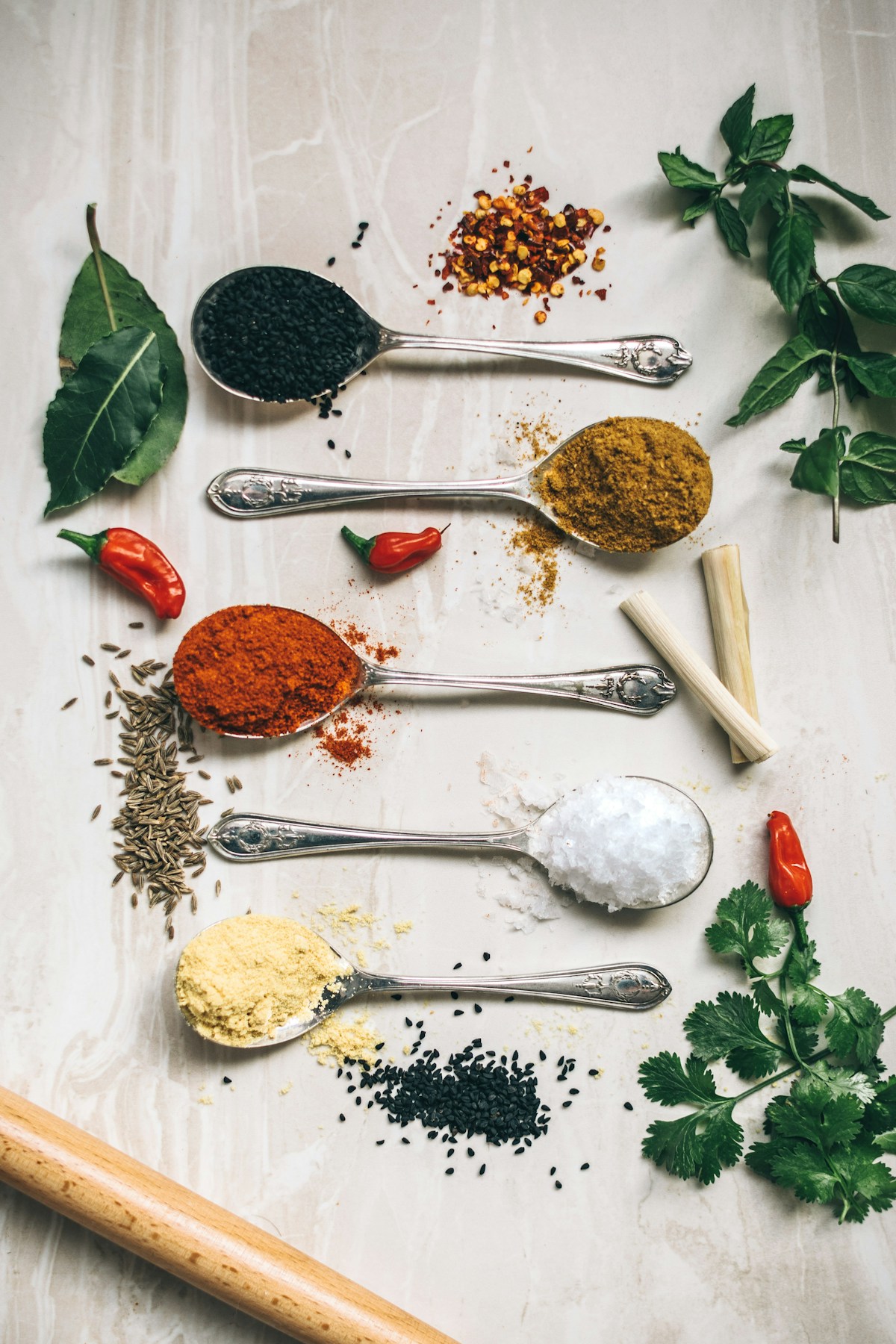
Salt reduction initially felt like a loss of identity in cooking. Food tasted incomplete until I learned how to replace salt’s function, not its presence.
Acidity from lemon juice, vinegar, and even tomatoes helps replicate the “brightness” that salt usually provides.
Herbs and spices introduce complexity. Instead of relying on one dominant flavor, you create a layered experience.
Example: A simple grilled vegetable dish becomes rich when combined with olive oil, lemon, and herbs.
5. Flavor Engineering: Building Taste Without Dependency

This is where cooking becomes interesting. Instead of adding sugar or salt, you begin designing flavor profiles using acidity, aroma, texture, and temperature contrast.
I started noticing how restaurants build flavor not through excess seasoning but through balance. Crunchy textures, fresh herbs, and acidity create satisfaction.
Once I applied this at home, I realized I didn’t need heavy seasoning to enjoy food anymore.
Insight: Flavor depth is not about intensity—it’s about balance between elements.
6. Meal Planning as a Hidden Tool for Healthier Cooking

One of the biggest improvements in reducing sugar and salt came not from cooking techniques—but from planning.
When meals are planned, emotional cooking decisions decrease. You are less likely to over-season when you are not rushed or hungry.
I noticed that my worst cooking decisions happened when I was tired and improvising meals.
Example: Pre-planned meals naturally reduce dependency on instant sauces and processed ingredients.
7. My Personal 30-Day Taste Reset Experience

The first week felt uncomfortable. Everything tasted unfamiliar and slightly disappointing. I almost gave up.
But by week two, something changed. I began noticing natural sweetness in vegetables and depth in simple dishes.
By week four, heavily processed food tasted overwhelming. I couldn’t go back to old habits easily.
This experience taught me that taste is not fixed—it is adaptable.
8. Rebuilding Your Relationship with Everyday Food
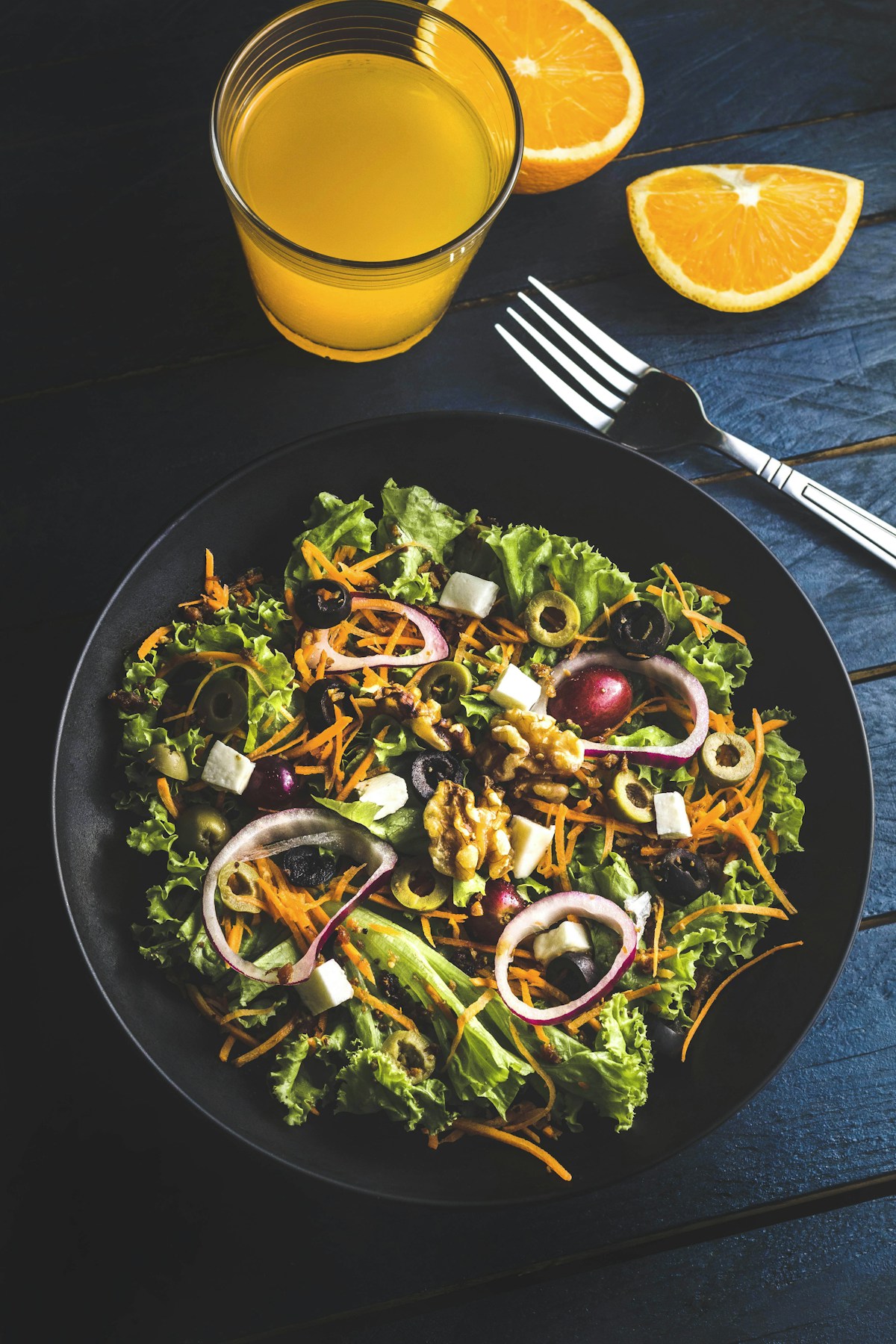
Reducing sugar and salt is not just a dietary choice—it is a behavioral shift. It changes how you perceive food entirely.
I began enjoying simpler meals more. Not because I lowered expectations, but because I raised awareness.
Food stopped being about stimulation and became about nourishment and clarity.
Insight: The goal is not restriction—it is awareness and control.
Learn more about healthy dietary guidelines from World Health Organization (WHO).
Final Thought
Small changes in sugar and salt habits can transform not only your health but also your entire relationship with food. Start small, stay consistent, and let your taste evolve naturally.


Comments
Post a Comment