Smart Grocery Shopping Tips to Avoid Food Waste
Smart Grocery Shopping Tips to Avoid Food Waste
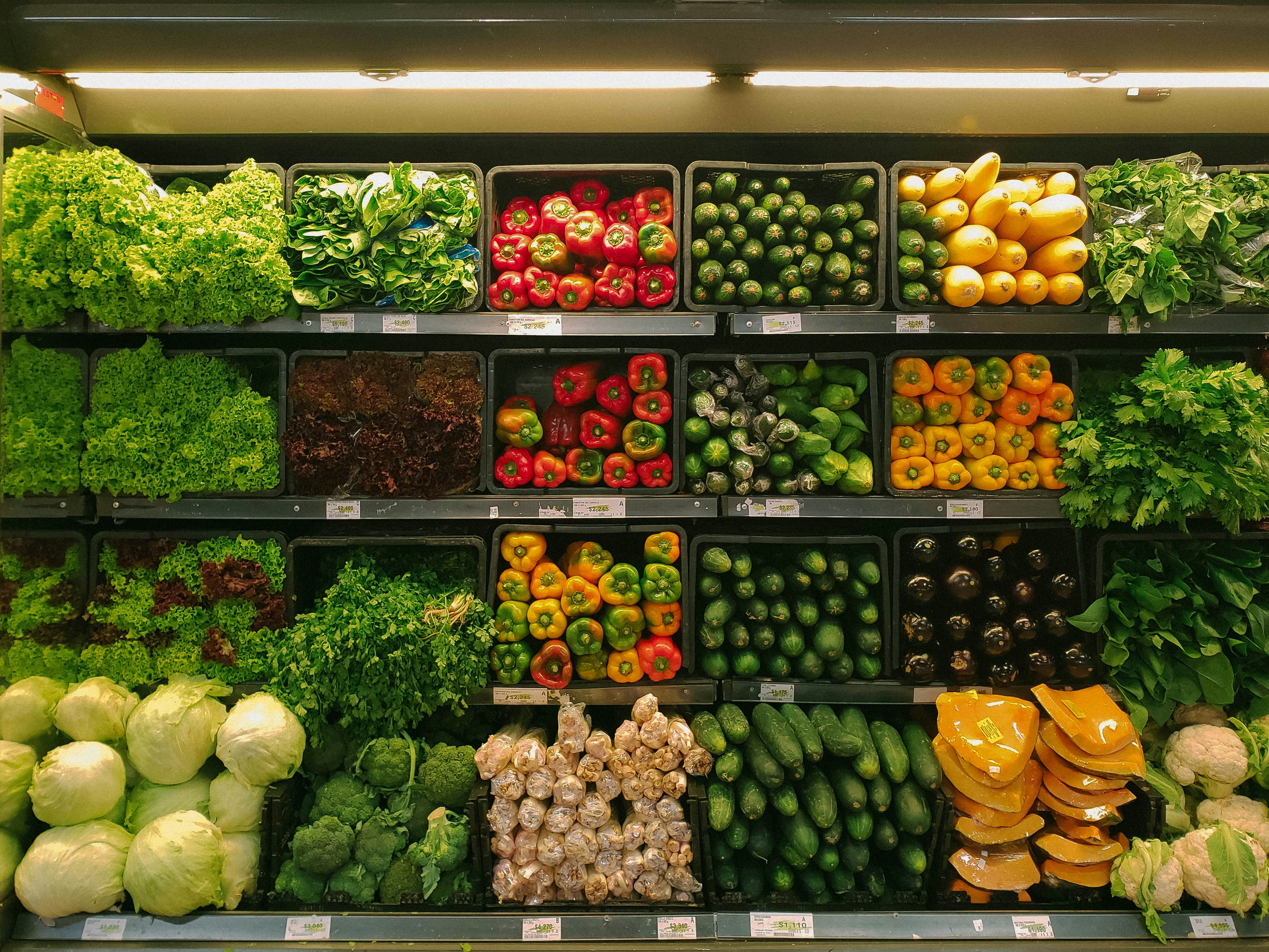
Grocery shopping is something we all do, but very few of us do it efficiently. I personally realized this when I noticed my fridge throwing away vegetables almost every week. It wasn’t because I didn’t cook—it was because I was buying without strategy.
Food waste is not just a financial issue, it is also a lifestyle problem. In this article, I will share real-world strategies that helped me reduce waste by more than 40% in my own weekly routine.
1. Understand Your Real Food Consumption

Most people think they know what they eat weekly, but in reality they underestimate or overestimate their consumption.
I used to buy food for a “perfect healthy week,” but half of it would go unused. When I started tracking what I actually ate, everything changed.
This simple awareness is the foundation of smart grocery shopping.
2. Build Flexible Meal Planning System

Rigid meal plans often fail. Life is unpredictable, and food planning must adapt to it.
Instead of strict menus, I started using flexible meal categories like “quick meals” and “leftover meals.”
This reduced stress and helped me use ingredients more efficiently.
3. Always Shop With Categorized Lists

A categorized list prevents impulse buying and ensures balance in your diet.
When I switched from random lists to structured categories, my grocery spending became more predictable.
It also helped me avoid buying duplicate items I already had at home.
4. Understand Supermarket Psychology
Supermarkets are designed to influence your decisions. Fresh items are placed strategically to encourage more spending.
Once I learned this, I became more intentional with my purchases.
I stopped being emotionally influenced by product placement.
5. Prioritize Perishable Items First

Perishable foods should always be consumed first to avoid waste.
I personally organize my fridge based on expiration dates.
This habit alone reduced my food waste significantly.
6. Avoid Blind Bulk Buying
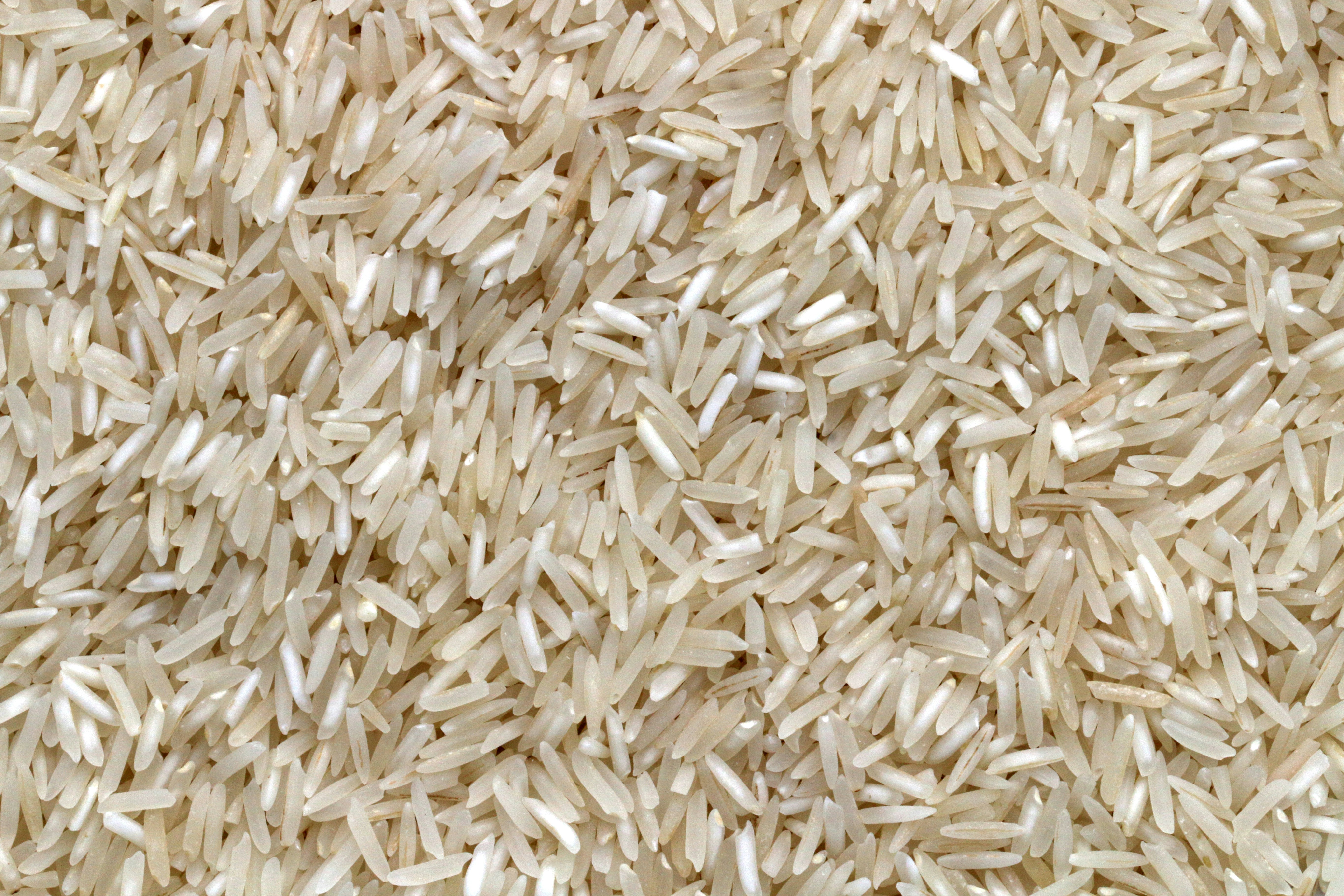
Bulk buying is only effective if you have proper storage systems.
I once bought too much rice and vegetables, only to realize I couldn’t store them properly.
Now I only bulk buy long-lasting essentials.
7. Transform Leftovers Into New Meals

Leftovers are not waste—they are future meals.
I often turn yesterday’s chicken into sandwiches or soup.
This mindset completely changed my cooking habits.
🎥 Featured Video
Video related to smart grocery shopping and food waste reduction.
🔍 Search This Site
FAQ
Why do people waste food after grocery shopping?
Because they buy without planning and fail to track what they already have.
How can I reduce grocery waste?
By planning meals flexibly and shopping with categorized lists.
Is bulk buying good?
Yes, but only if storage and usage planning is properly done.
Final Insight: Smart grocery shopping is not about restriction—it is about awareness and better decision-making.


Comments
Post a Comment