Weekly Meal Planning Tips for Busy People
Weekly Meal Planning Tips for Busy People
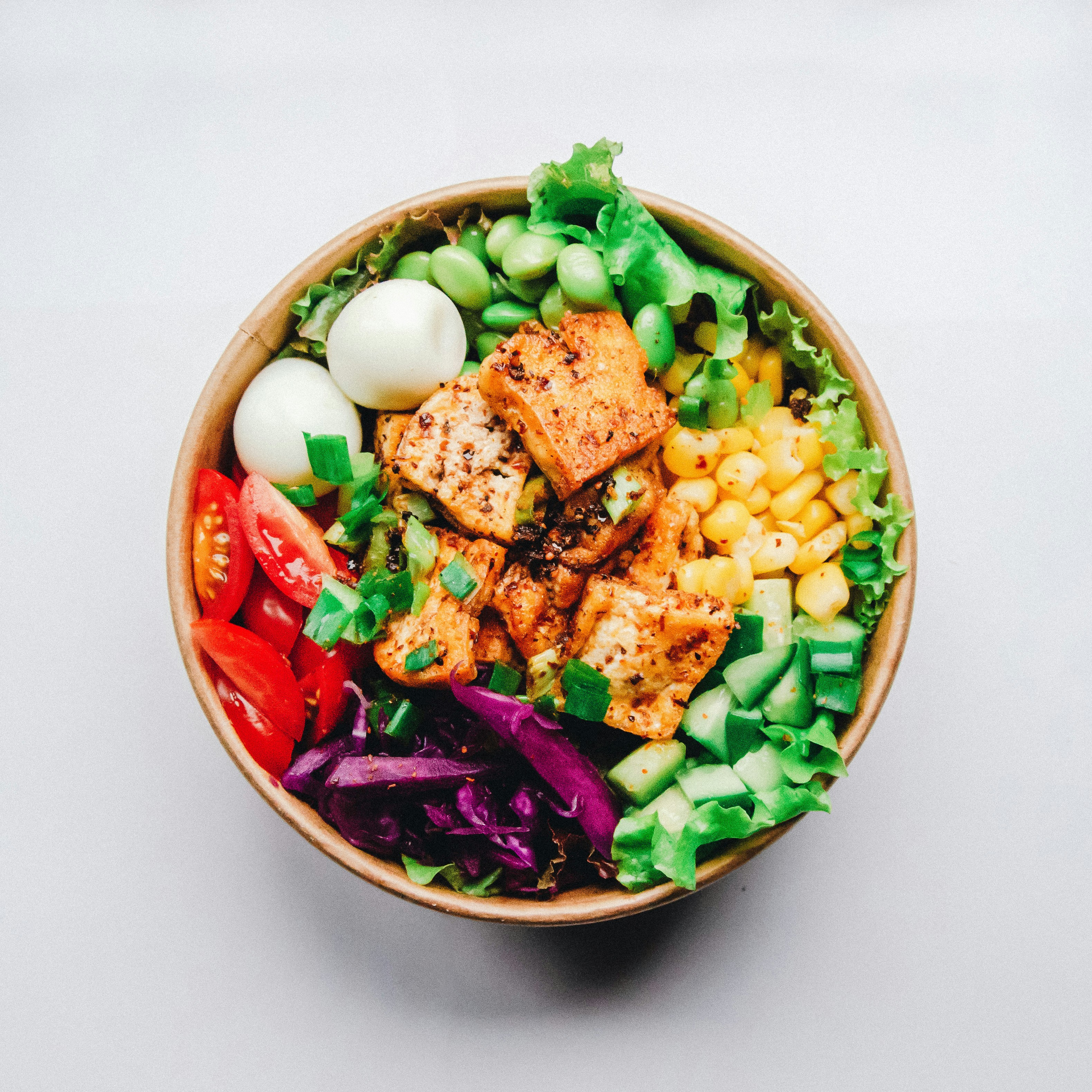
Weekly meal planning is not just a trend. For busy people, it becomes a survival system that reduces stress, saves money, and helps maintain a healthier lifestyle. Many people think it requires discipline or cooking skills, but in reality, it is more about structure than talent.
In my own experience, the shift happened when I realized I was spending more time deciding what to eat than actually eating. That moment made me rethink my routine completely. Instead of reacting daily, I started planning weekly, and everything changed.
1. Understanding the Core of Meal Planning

Meal planning starts with understanding your lifestyle, not food. If you are busy, your system must be simple. Complexity is the enemy of consistency. Many people fail because they try to copy unrealistic Pinterest-style routines.
Start small. Plan only 3–4 meals for the week instead of everything. This reduces pressure and builds habit naturally. Over time, you can expand your system without feeling overwhelmed.
For example, I began with just lunches. That alone saved me from daily fast food decisions. Slowly, I added breakfast and dinner planning.
2. Building a Realistic Weekly Structure

A realistic structure is more important than a perfect diet. Busy people need flexibility, not strict rules. Your meal plan should adapt to your energy, schedule, and social life.
One effective method is the "repeat base system" where you reuse ingredients across meals. For example, chicken, rice, and vegetables can be used in multiple variations.
This approach reduces grocery complexity and cooking time significantly while keeping variety alive.
3. Smart Grocery Shopping Strategy
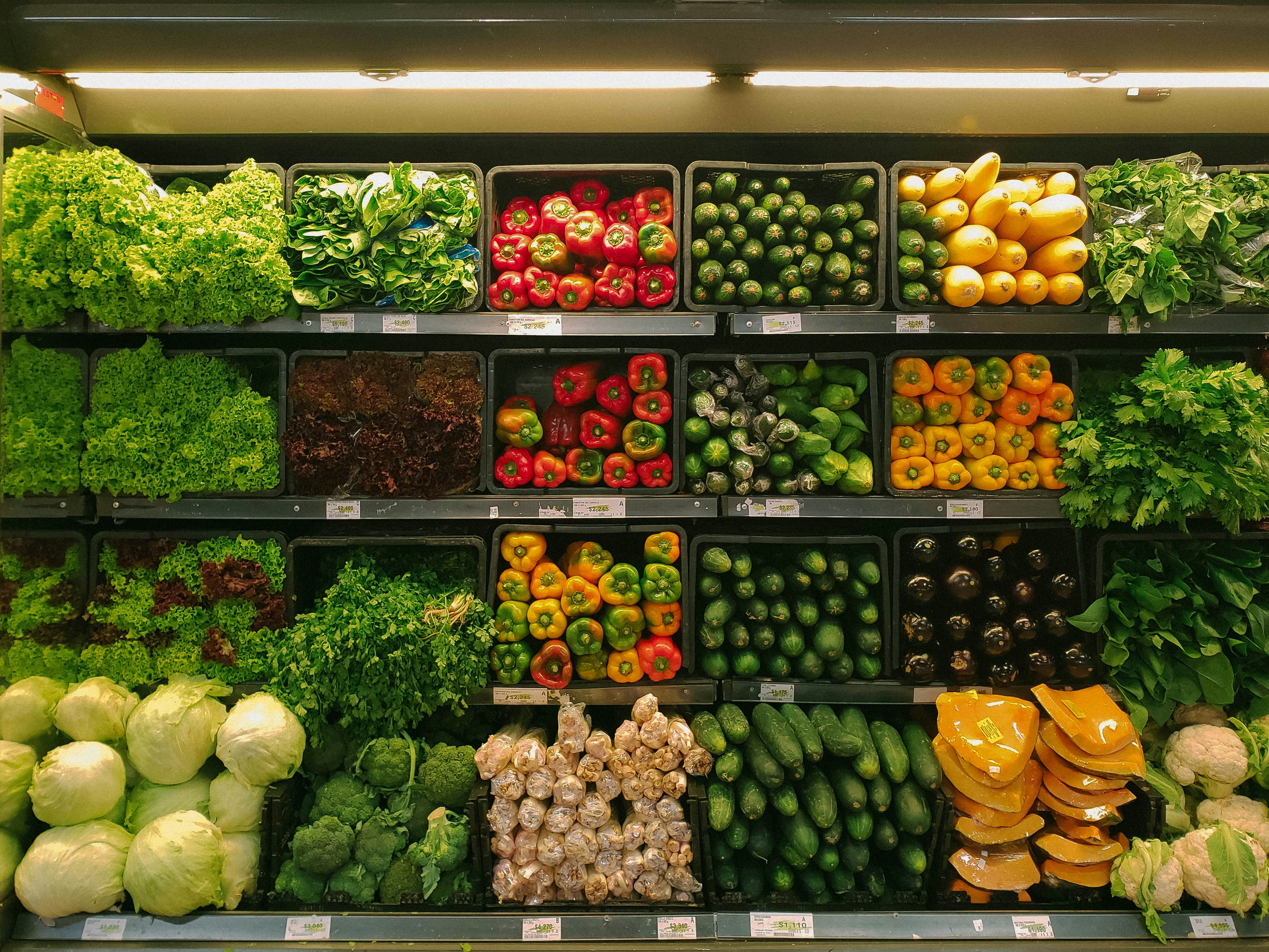
Shopping without a plan leads to waste. With meal planning, every item has a purpose. This mindset alone can reduce food waste by up to 40%.
Create a categorized list: proteins, carbs, vegetables, and snacks. Stick to it strictly. Avoid emotional buying decisions in supermarkets.
Personally, I noticed my grocery bills dropped significantly after I stopped buying "just in case" items.
4. Meal Prep Techniques That Actually Work

Meal prep is not about cooking everything at once. It is about preparing components. Chop vegetables, cook grains, and prepare proteins separately.
This modular system allows flexibility. You can mix and match ingredients throughout the week without boredom.
For busy professionals, even 1–2 hours of prep can save 10+ hours during the week.
5. Time-Saving Cooking Habits
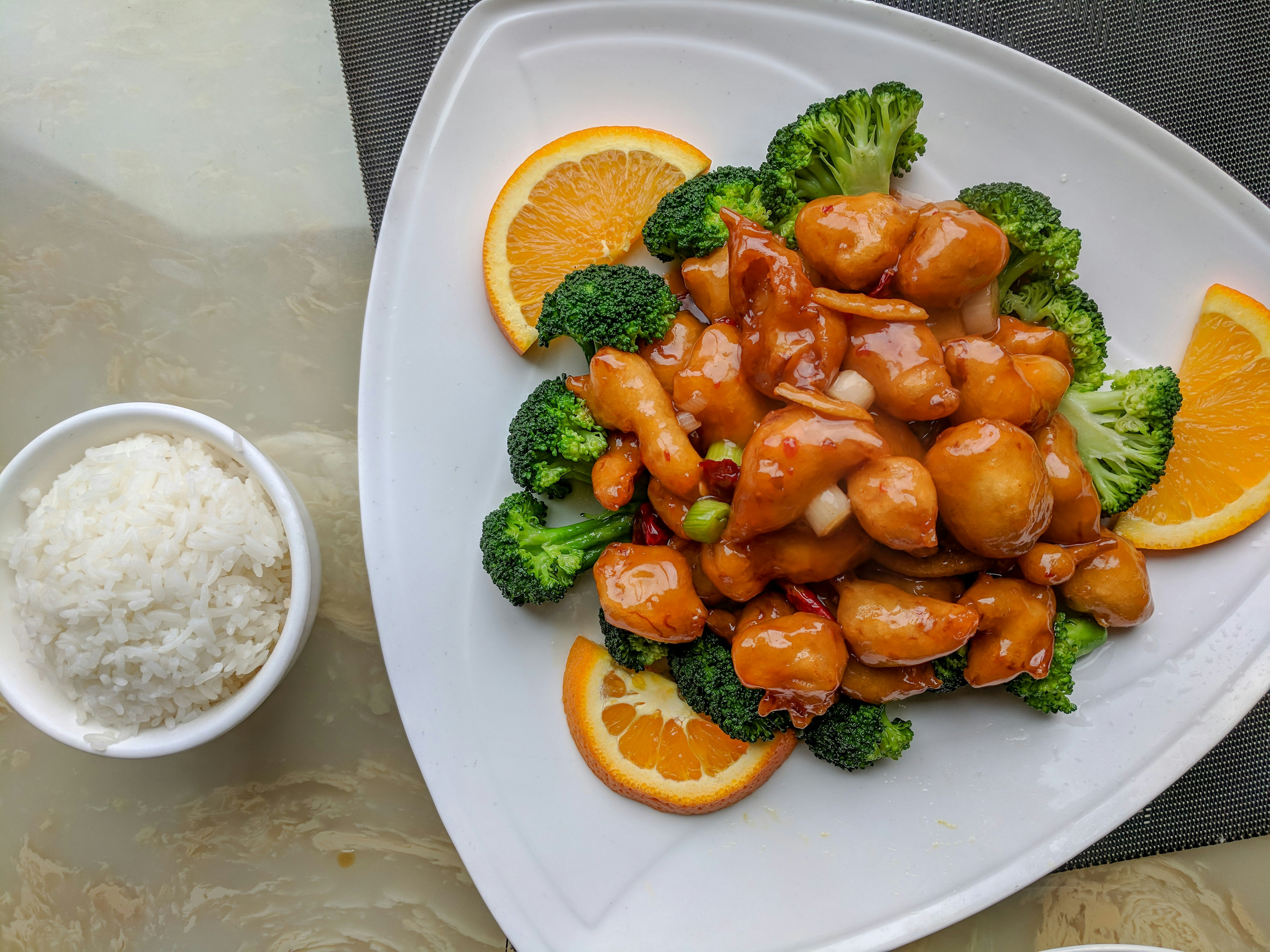
Cooking efficiency comes from repetition and simplification. Stick to 5–7 core recipes and rotate them weekly.
Many people underestimate how powerful routine cooking is. It removes decision fatigue completely.
Over time, your cooking becomes automatic, almost like muscle memory.
6. Storage and Food Longevity
Proper storage determines success. Without it, even the best meal plan fails. Use airtight containers and label everything clearly.
Refrigeration zones matter too. Keep ready-to-eat meals at eye level for convenience.
This small habit reduces food spoilage and increases consistency.
7. Staying Consistent Without Burnout

Consistency is harder than starting. The key is flexibility. Allow one "free meal" day to avoid burnout.
Perfection kills progress. Even if you follow your plan 70% of the time, you are already ahead of most people.
I personally failed many times before realizing consistency beats intensity.
8. Real-Life Example of Meal Planning Success

A friend of mine, working in IT, struggled with fast food dependency. After adopting meal planning, he lost weight and saved money.
His system was simple: cook twice a week, repeat meals, and keep snacks healthy.
Within 2 months, his energy levels improved significantly.
9. Common Mistakes to Avoid

Overplanning is the biggest mistake. Too many recipes create confusion and reduce consistency.
Another mistake is ignoring your real lifestyle. A plan that doesn’t match your schedule will always fail.
Keep it simple, flexible, and realistic.
🎥 Featured Video
Video related to this article topic.
FAQ
What is the easiest way to start meal planning?
Start with planning only lunches or dinners for 3 days a week.
Do I need to cook every day?
No, batch cooking 2–3 times a week is enough for most people.
Is meal planning expensive?
Actually, it usually reduces food costs by preventing waste and impulse buying.


Comments
Post a Comment